US may spend millions to find out why Afrikaners aren’t taking Trump’s refugee offer
· Citizen
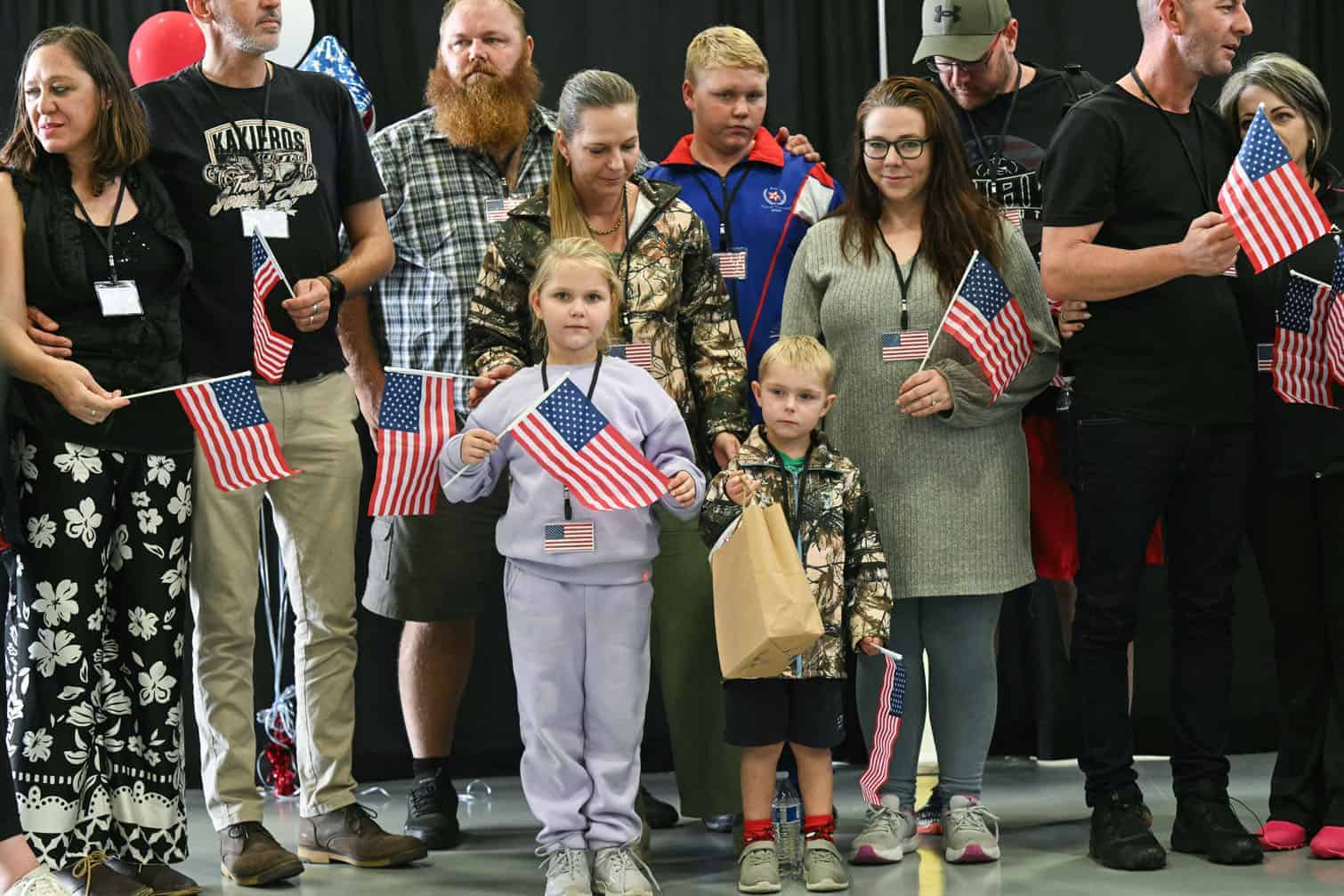
The United States (US) is reportedly considering spending more than $335,000 (about R6 million) on research and an advertising campaign in South Africa to determine why significantly fewer Afrikaners than expected have applied for refugee status under a programme championed by US President Donald Trump.
Visit esporist.org for more information.
In 2025, the US State Department said President Donald Trump had “prioritised” refugee admissions for Afrikaners.
Refugee programme
The refugee programme stems from a 2025 executive order signed by Trump, which prioritised Afrikaner resettlement on the grounds that they face racial discrimination in South Africa.
Pretoria criticised the decision by the US to prioritise refugee applications from white Afrikaners, saying claims of a white genocide have been widely discredited and lack reliable evidence.
In May, The Citizen reported that more white South Africans could be heading to the US after the Trump administration proposed plans to admit an additional 10 000 Afrikaner asylum seekers from South Africa, raising the refugee cap for this group to 17 500 in 2026.
The move came as arrivals near the current ceiling of 7 500, with Washington citing an “emergency refugee situation” linked to false claims of racial persecution and threats to farming communities.
Afrikaners
The Trump administration’s decision, unveiled on 19 May, was expected to cost $100 million and followed a February 2025 executive order prioritising Afrikaner resettlement while cutting aid to South Africa.
Afrikaners now account for 99% of refugee admissions since October 2025, highlighting the programme’s sharp focus compared with restrictions on other nationalities.
US officials falsely claim Afrikaners face race‑based discrimination, escalating hostility and targeted violence, particularly against farmers.
South Africa criticised the decision by the US to prioritise refugee applications from white Afrikaners, saying claims of a white genocide have been widely discredited and lack reliable evidence.
The government argues that land reform laws apply broadly and that violent crime is a national challenge.
Lukewarm response
However, according to a report by The Guardian, US officials are puzzled by the lukewarm response despite a policy that prioritises Afrikaner resettlement in America.
State department officials, according to an August proposal seen by the publication, outlined a roughly $335,000 research and advertising effort after applications to the refugee program “trended lower than expected” since Afrikaners were allowed to apply directly online in November 2025.
In July, The Citizen reported that hundreds of Afrikaners hoping to relocate to the US, under Trump’s refugee programme for minority groups, were informed that their visa applications were rejected after falsely claiming genocide.
Some applicants had already resigned from their jobs, sold their possessions, received vaccinations, and completed the required orientation courses,
Proposal
The document, written by the US mission in South Africa with a department research unit for the embassy in Pretoria, admits officials know little about why.
“There’s currently little research about why Afrikaners are not applying to request referral into the US Refugee Admissions Program,” the proposal reads.
The proposal outlines a three-phase project involving focus groups, surveys, and a six-month Afrikaans-language media campaign to understand and encourage refugee applications from Afrikaners.
The report states that US officials are considering conducting research in areas including Pretoria, Krugersdorp, Bloemfontein, Stellenbosch, Kimberley and Orania to better understand attitudes towards emigration.
Final phase
The final phase would involve targeted digital advertising aimed at Afrikaners interested in moving abroad.
The refugee initiative forms part of broader tensions between Washington and Pretoria, which have included disputes over South Africa’s foreign policy positions, land reform laws, and allegations of anti-white discrimination.