Hantavirus not as contagious as Covid, says medical experts
· Citizen
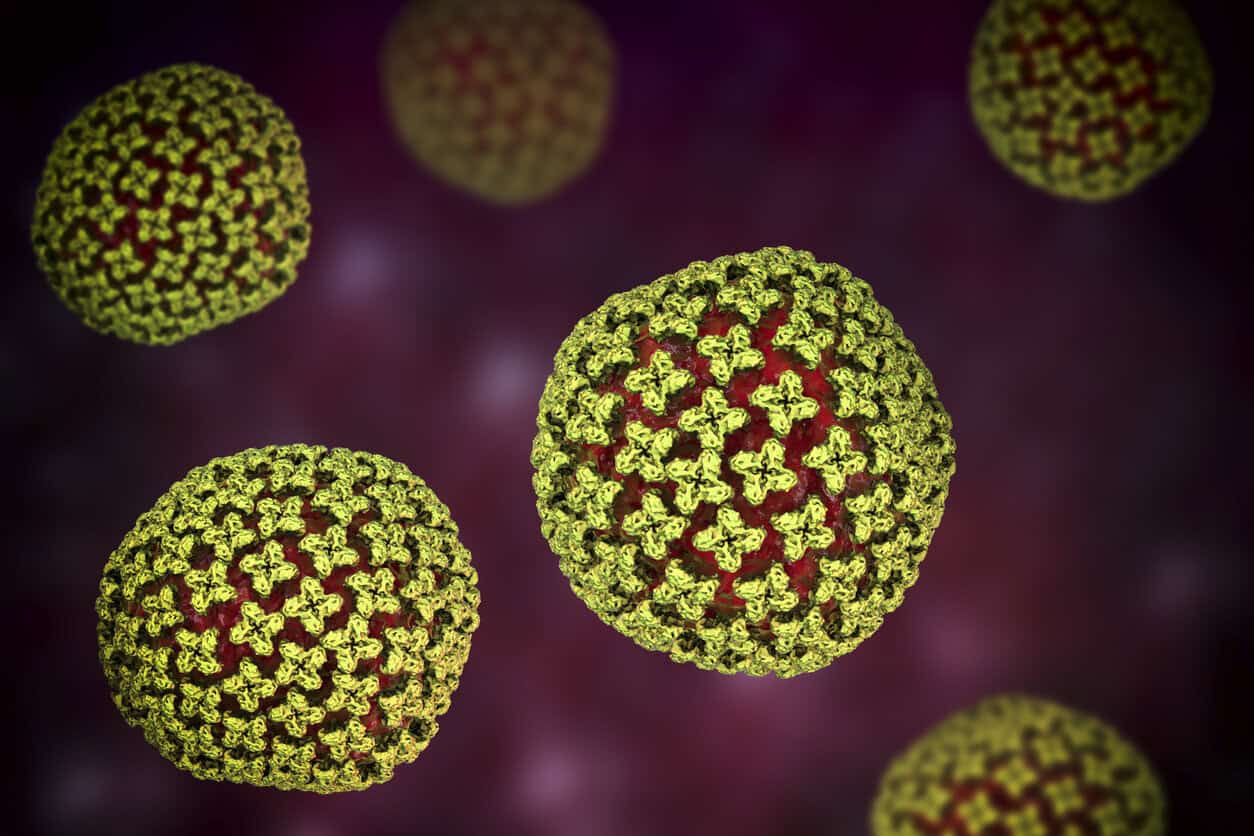
Hot on the heels of Covid but not quite as easily spread, the hantavirus pulmonary syndrome (HPS) is “a severe and sometimes fatal respiratory disease caused by hantaviruses”, said the South African National Institute for Communicable Diseases (NICD).
Visit fish-roadgame.com for more information.
The illness often starts with symptoms that resemble common infections.
Early symptoms resemble flu
“Fever, fatigue, muscle aches, headache, dizziness, chills, nausea, vomiting, diarrhoea and abdominal pain” are among the early signs, said general practitioner Juandre van den Berg.
He said this overlap makes early detection difficult.
“A lot of people think that it’s just a common cold,” he said. “When it starts to get worse people don’t pick it up.”
Respiratory complications can escalate quickly
The disease can escalate rapidly after a few days of early symptoms.
“Then, patients may develop coughing and shortness of breath due to fluid accumulation in the lungs,” said the NICD.
Van den Berg added the condition can deteriorate within hours after the first set of symptoms and carries a case fatality rate of between 30% and 50%.
“Patients get a terrible severe acute pulmonary disease,” he said, adding that many cases require intensive care and ventilation assistance.
Most infections linked to rodents
The NICD said most infections are linked to environmental exposure rather than human contact.
“Human-to-human transmission of hantaviruses that cause HPS is very uncommon,” said the institute, adding that infection typically occurs through inhalation of virus particles from contaminated rodent droppings or urine.
Van den Berg said transmission between people of the HPS Andes variant, present in the current crisis, requires proximity.
“It is not as contagious as Covid,” he said. “You have to be in close contact and share bodily fluids.”
Doctors urge calm but vigilance
He added the virus presents monitoring challenges.
“The incubation period of the virus is anything from one to eight weeks,” he said.
There is no specific antiviral treatment available. The NICD said management of the disease remains supportive and may include hospitalisation, oxygen therapy, mechanical ventilation and intensive care.
Van den Berg urged caution without alarm.
“People don’t have to panic,” he said, adding those experiencing flu-like symptoms, particularly breathing difficulties, should seek medical attention.