Pilot involved in deadly 2025 Lake Scugog crash lost control of aircraft: TSB
· Toronto Sun
See more Toronto Sun on Google — save as a Preferred Source
Visit likesport.biz for more information.
The Transportation Safety Board (TSB) says the pilot involved in a Lake Scugog float plane crash last year that killed a 16-year-old boy lost control of his aircraft.
In its report , which does not assign fault or determine civil or criminal liability, the federal agency says the July 18, 2025, crash occurred after the pilot, operating a Ultravia Pelican Sport 600 with a passenger on board, lost control while attempting to land.
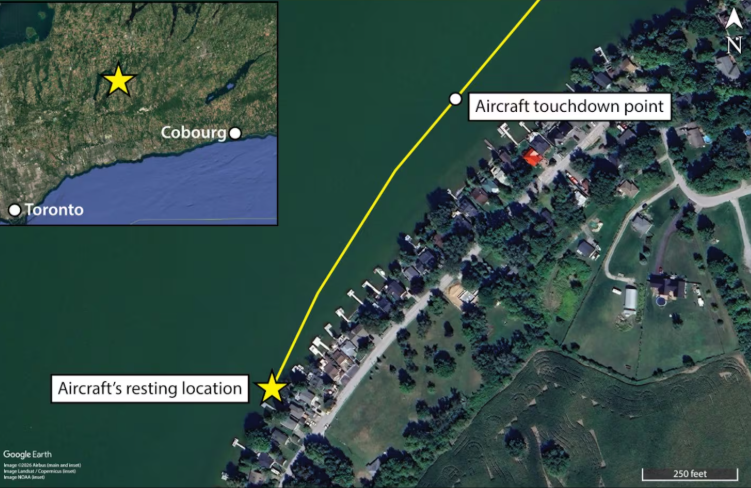
The TSB says the aircraft touched down approximately 202 feet (61 metres) from shore and bounced off the water at least twice before killing the teenager after it crashed into a boat dock on the lake near the community of Caesarea, 15 kilometres east of Port Perry.
After the double bounces off the lake, the agency explained that the pilot then tried to conduct a go-around at full power, but the plane then veered sharply to the left before striking the first dock.
Boy killed when plane struck second dock
The TSB found the aircraft then continued forward into a second dock where the teenage boy was standing, killing him before flipping upside down onto a moored pontoon boat.
Both of the plane’s occupants, the pilot and a passenger who was interested in buying the aircraft, were taken to hospital with minor injuries.
The TSB said the pilot made his approach parallel and close to the shoreline, which is recommended when it came to that day’s water conditions described as glassy with “no visible ripples.”
Still, investigators could not ascertain the exact sequence of actions immediately following the plane touching down.
RECOMMENDED VIDEO
The TSB said that landing in those conditions present a “significant safety hazard to seaplane operations” as glassy water often requires pilots to fly close to shorelines to judge height, but that doing so “near obstacles like docks, boats, and people can reduce safety margins.”
“Even when a landing is technically possible when using glassy water techniques, pilots should consider whether adequate safety margins can be maintained, or whether another landing area would provide a safer option,” the report’s safety message said.