ANC’s declining support: Ramaphosa must carry the can
· Citizen
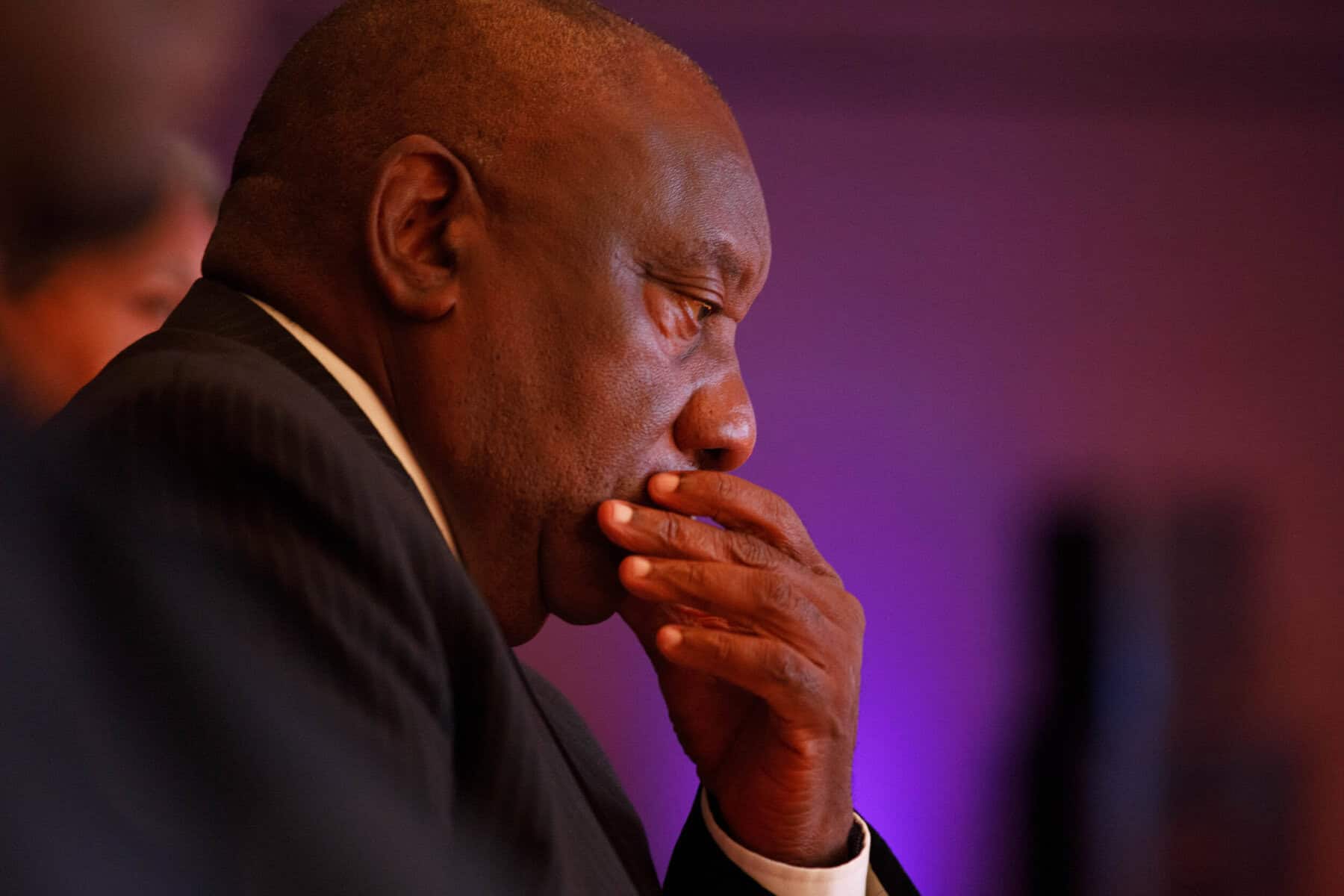
Rumours about President Cyril Ramaphosa contemplating resignation may have been brushed aside as “preposterous”, but they exposed growing anxiety within the ANC.
Visit saltysenoritaaz.org for more information.
Following what secretary-general Fikile Mbalula called the party’s “catastrophic” local election result, speculation about Ramaphosa’s future was bound to arise.
For many voters, Ramaphosa is the face of the ANC’s successes and failures.
As support for it weakened, chants of “Ramaphosa must go” became a refrain on the campaign trail.
Whether voters were judging local councillors or national leadership, the message was clear: more South Africans are losing patience with the ANC and its ability to deliver change.
These rumours have also raised important questions.
Will the president accept responsibility, or will the ANC finally recognise that its leadership has become part of the problem?
Even though party officials are adamant Ramaphosa “is going nowhere”, the discussion about the president’s future is significant.
The ANC’s support has fallen from 45.59% in the 2021 polls to 30.76% this year. It has also lost ground in several major metros.
This shows voters are questioning the party’s ability to govern.
Ramaphosa has now presided over two major electoral defeats.
In 2024, the ANC lost its parliamentary majority for the first time since 1994. This year, its municipal support declined even further.
At what point does electoral accountability become unavoidable?
This is not the first time rumours of Ramaphosa’s resignation have emerged.
During the Phala Phala scandal in 2022, following adverse findings by the Section 89 independent panel, he reportedly considered stepping down, before being persuaded to stay.
After the Constitutional Court revived the parliamentary impeachment process in May, Ramaphosa said: “I will not resign.”
He said stepping down would amount to accepting findings he intended to challenge.
But the latest electoral outcome makes the political cost of staying difficult to ignore. The ANC’s decline raises questions about leadership and the ability to restore public confidence.
There is also the challenge of the government of national unity (GNU).
His departure could complicate the GNU and trigger factional battles inside a party already struggling to rebuild.
Yet, staying may reinforce the perception that the ANC is unwilling to act, despite repeated electoral warnings.
Resignation, however, won’t solve the ANC’s problems. It won’t fix failing municipalities, unemployment, corruption or weak economic growth.
Replacing one leader without changing the system risks producing the same results under a different name.
The question confronting the ANC is bigger than Ramaphosa’s future. It is whether the party is prepared to accept that voters have issued a clear warning.
South Africans are no longer looking for excuses or promises. They want competent governance and tangible results.
Without meaningful renewal, a change of leadership may amount to little more than rearranging the furniture in a house voters have already abandoned.
If the ANC fails to respond decisively, this “catastrophe” may be a preview of what awaits the party in the 2029 election.
The real danger for the ANC is not who leads it next, but whether enough voters still believe it deserves to lead at all.