Is the gambling website you’re using legal? Here’s how to check
· Citizen
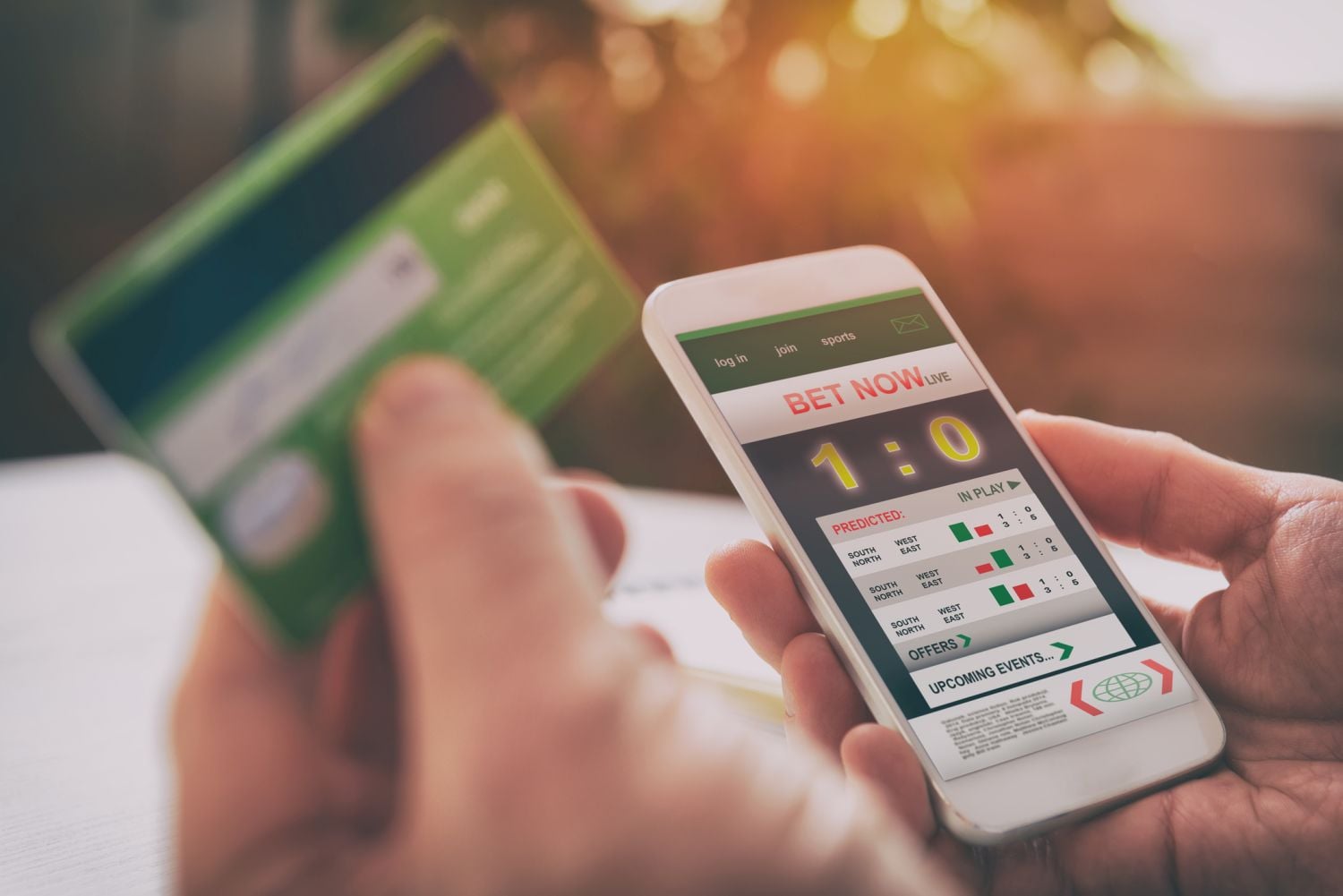
South Africans placing bets online may be gambling on illegal offshore websites without even realising it.
Visit tr-sport.bond for more information.
As these operators increasingly target the local market, the South African Bookmakers’ Association (Saba) is using Responsible Gambling Month this November to highlight a simple precaution consumers can take.
Before depositing money, scroll to the bottom of the website’s homepage and check the operator’s licence details.
Licensed South African bookmakers are required by law to display regulatory information, including the name of the licensed operator, its bookmaker licence details, and the provincial gambling authority that issued the licence.
Illegal gambling in SA
Saba CEO Sean Coleman warns that illegal gambling websites can easily fool people because they look legitimate.
“Illegal gambling websites can look entirely legitimate, offer attractive bonuses, accept deposits in rands and even have a South African web address. Some also display gambling licences issued in jurisdictions such as Curaçao or Malta. None of this means they are legally authorised to operate in South Africa.”
He noted that illegal offshore operators compete directly for South African customers through sophisticated marketing, sponsorships and promotional offers to attract players.
“An international gambling licence does not authorise an operator to offer gambling services in South Africa. A bookmaker must hold the appropriate South African provincial licence. If you can’t identify the licensed operator and the provincial authority that regulates it, that’s a red flag.”
Legal and illegal gambling
Coleman said the difference between legal and illegal gambling is not simply a technical licensing issue.
“It has direct implications for consumer protection, including the risk of losing winnings. Under section 16 of the National Gambling Act, winnings derived from unlawful gambling activities can be declared forfeited to the state through a High Court order.
“More than R3 million in unlawful gambling winnings has reportedly been forfeited through court proceedings, including approximately R775 000 during the 2025-26 financial year and a further R2.3 million early in 2026-27.”
Forfeiting winnings
“Many people simply don’t realise that winnings from illegal gambling can be forfeited to the state,” said Coleman.
“You could place a bet, win money and then discover that you’re not legally entitled to keep those winnings. That’s a very real risk, and another reason why checking an operator’s licence matters.”
Licensed South African bookmakers are subject to regulatory oversight, including requirements relating to age verification, responsible gambling, player protection and the handling of customer complaints. They also contribute to the country’s tax base, responsible gambling initiatives, corporate social investment and socio-economic development programmes.
He noted that illegal offshore operators fall outside this framework, leaving consumers with fewer effective avenues for recourse if they encounter disputes or wish to exercise their right to self-exclusion.
“If something goes wrong with a licensed bookmaker, there is a South African regulator you can approach. If you’re gambling with an illegal offshore operator and your winnings aren’t paid, your account is blocked or you experience other problems, getting assistance can be much more difficult.”
Three things to check before you bet online
Saba is encouraging consumers to make three simple checks before depositing money into an online gambling platform:
- Scroll to the bottom of the website’s homepage. Look for the registered name of the South African licence holder, its bookmaker licence details and the provincial authority responsible for licensing and regulating it.
- Verify the licence. A foreign gambling licence is not sufficient. If the South African licensing information is missing, unclear or suspicious, check the operator’s status with the relevant provincial gambling authority or on the National Gambling Board’s Verified Gambling Operators Portal.
- If in doubt, don’t deposit. A professional-looking website, a .co.za domain or the ability to transact in rands does not guarantee legitimacy. Don’t deposit money until you’ve independently verified the operator’s licensing status.
Coleman cautioned that licence information displayed on a website is a starting point, not conclusive proof of legitimacy.
“Responsible Gambling Month is an opportunity to remind South Africans that consumer protection begins before the first bet is placed. When you gamble with a licensed South African bookmaker, you have the protection of a regulatory system and a regulator you can turn to if something goes wrong. With an illegal offshore operator, those protections may not be available.”