India Rejects Selective Human Rights Scrutiny After UN Experts Flag Police Crackdown In Protests
· Free Press Journal
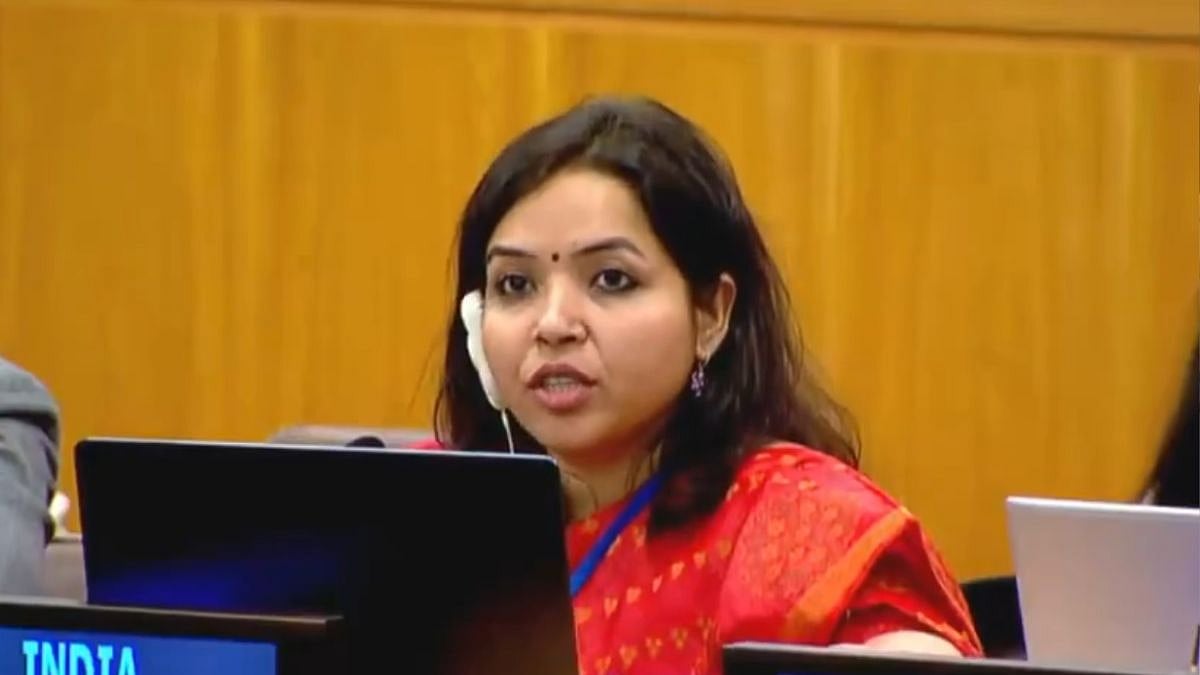
India has pushed back against what it described as the selective use of human rights concerns to exert political pressure on countries, following criticism from more than 20 United Nations human rights experts over the police response to youth-led protests in Delhi and other parts of the country.
Barkha Tamrakar, Deputy Secretary in the Ministry of External Affairs (MEA), delivered India's position at the UN General Assembly's Third Committee in Geneva on Tuesday. Speaking during a discussion on the Working Group on Enforced or Involuntary Disappearances, she highlighted India's constitutional safeguards and institutional mechanisms for addressing allegations of human rights violations.
Visit casino-promo.biz for more information.
“Human rights not to be used as an instrument of political pressure or selective country targeting,” Tamrakar said.
She emphasised that India remained engaged with international human rights bodies but maintained that such interactions should be guided by dialogue, consultation, cooperation, non-selectivity and transparency.
#IndiaAtUN @BarkhaTamrakar, Deputy Secretary @MEAIndia delivered ’s statement at UNGA Third Committee on the Agenda Item “Working Group on Enforced Disappearances” the following :
— India at UN, NY (@IndiaUNNewYork) October 21, 2026
➡️ Reaffirmed that Article 21, habeas corpus, the NHRC and State Human Rights Commissions,… pic.twitter.com/ppGmKl9ZpF
India Defends Its Human Rights Record at UN
Tamrakar said India was prepared to examine specific allegations backed by appropriate documentation through established channels. However, she cautioned against drawing conclusions about the country based on unverified claims, incomplete data or reports that did not contain specific observations concerning India.
India also stressed the need for accountability and transparency in addressing enforced disappearances, describing the practice as a serious human rights violation with devastating consequences for victims and their families.
“Enforced disappearances are clear violations of human rights and deeply affect the families of victims. We call upon States to eradicate instances of this grave human rights violation through preventive measures, accountability, and the protection of civil society,” she said.
Describing India as a vibrant democracy governed by the rule of law, Tamrakar pointed to constitutional provisions and independent institutions as safeguards against human rights abuses.
India also reiterated its engagement with international human rights mechanisms and noted that it had signed the International Convention for the Protection of All Persons from Enforced Disappearance.
#India: UN experts alarmed by heavy-handed police response to peaceful youth-led demonstrations. “Despite the non-violent nature of the assemblies, law enforcement has deployed force against unarmed students” https://t.co/2IWZzG8BFx pic.twitter.com/6AYK9ny2T2
— UN Special Procedures (@UN_SPExperts) October 20, 2026
UN Experts Raise Concerns Over Police Action Against Protests
The Indian government's remarks came after more than 20 UN human rights experts expressed concern over what they described as a repeatedly heavy-handed police response to youth-led demonstrations in Delhi and elsewhere over the preceding three months.
The experts urged Indian authorities to protect the right to peaceful assembly and ensure accountability for alleged violations during recent and earlier protests.
“This crackdown reflects a broader, troubling pattern,” the experts said in a statement issued in Geneva on Tuesday.
BIG! Pushing back against UN rapporteurs' comments on the CJP protests, India REJECTED unverified claims being used to portray the world's largest democracy in a negative light.
— Megh Updates ™ (@MeghUpdates) October 21, 2026
️ "Human rights should NOT be used as an instrument of POLITICAL PRESSURE or SELECTIVE TARGETING." pic.twitter.com/o4eS65R41V
They added that they had repeatedly raised concerns with Indian authorities regarding restrictions on peaceful gatherings, excessive use of force, arbitrary detentions, alleged enforced disappearances and the targeting of student activists.
The experts also highlighted concerns surrounding the Special Intensive Revision (SIR) of electoral rolls, an exercise they said affects approximately 130 million people, or 13 crore. According to their statement, those affected reportedly include members of Muslim, Scheduled Caste and Scheduled Tribe communities.