Supreme Court May Award Compensation If Delhi Protests Hit Traders, Daily-Wage Earners
· Free Press Journal
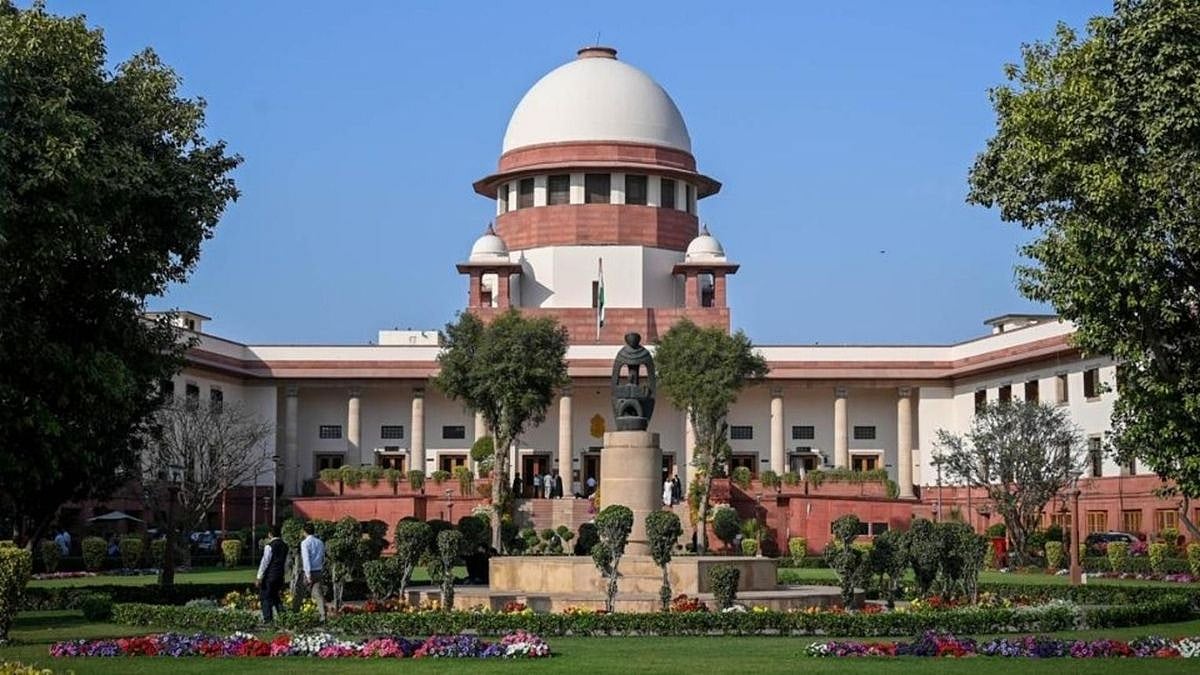
The Supreme Court on Friday, October 16, warned that it could award compensation if protests in Delhi caused disproportionate hardship to traders and daily-wage earners. The court expressed concern over the impact of restrictions on small businesses, particularly during the festive season when many traders depend on higher sales for their livelihood.
Also Watch:
Visit newsbetting.bond for more information.
Chief Justice of India Surya Kant and Justice Joymalya Bagchi made the observations while hearing a plea concerning a proposed protest by the Cockroach Janta Party (CJP) at Central Park in Connaught Place. The court stressed the need to balance the right to protest with the livelihoods of traders and the responsibility of authorities to maintain law and order.
Supreme Court Warns Of Compensation Over Business Losses
The court said it could use its constitutional tort jurisdiction to award compensation if restrictions on business activities were found to be unlawful or disproportionate. Justice Bagchi made the observation after advocate Jai Anant Dehadrai raised concerns on behalf of a traders’ association.
Pune: CJP To Hold ‘Lehra Do Tiranga’ Protest At Collectorate On October 17 After SPPU Denies Permission“If there is loss of business, if it is unlawful to your clients, we will exercise our powers under constitutional tort jurisdiction. Let’s cross that bridge when it comes,” Justice Bagchi said.
Dehadrai argued that the proposed protest could cause substantial financial losses to traders in Connaught Place. He claimed that disruptions in the area were causing losses of more than ₹250 crore daily, particularly affecting businesses that rely heavily on festive-season sales.
The court, however, indicated that the matter did not require an immediate hearing. Chief Justice Kant initially suggested taking it up on October 26, while Justice Bagchi noted that the Delhi High Court had already heard a similar petition on Thursday.
NYT Fact-Checks Viral Claim That CJP Protest Photo Was Taken In 2020, Says Image Is From October 10; Credits PhotographerRight To Protest Versus Right To Earn
During the hearing, Justice Bagchi highlighted the need to consider the interests of protesters, traders and law enforcement agencies. His observations brought attention to the challenge of protecting democratic rights without unnecessarily affecting people who depend on daily business activities, Hindustan Times reports.
“Someone wants to protest, someone wants to sell moongfali (peanuts), someone wants to maintain law and order. All are there before us. We can hear it after a week,” Justice Bagchi said.
Chief Justice Kant also expressed concern for small shopkeepers and their families, acknowledging the financial difficulties they could face if business activities were disrupted during the festive season.
American Singer Mary Millben Targets Abhijeet Dipke Over CJP Protests, Questions Movement's Future“We hope better sense will prevail on everyone. Small shopkeepers...they earn their livelihood during these days. We know the hardship, difficulty and crises entire families face,” he said.
The observations underline an important concern: while people have the right to protest, restrictions associated with demonstrations can have serious consequences for those who depend on their daily earnings.
Central Park Closure Raises Concerns
Dehadrai also drew the court’s attention to a notification issued by the New Delhi Municipal Council (NDMC) late on Thursday night, ordering the closure of Central Park.
'Need To Eliminate Filth': Delhi's Shri Keshav Ramlila Committee To Burn 30-Foot Cockroach Effigy Alongside Ravana This Dussehra | VideoHe argued that the decision could effectively prevent traders from carrying out business in the surrounding area. He also questioned whether the restrictions were proportionate, particularly considering their possible impact on labourers and daily-wage earners.
Justice Bagchi said the Supreme Court had sufficient powers to examine the issue and grant relief if it found that restrictions on business and livelihoods were disproportionate.
“If we hold that it’s disproportionate, this court has ample jurisdiction under public and compensation law,” he said.
The court did not order compensation at this stage. It indicated that the question could be examined if the circumstances justified such relief.
The Chief Justice directed that the petition be listed for hearing on October 26 or 27, after the Supreme Court’s Dussehra vacation.
What Triggered The Proposed Protest?
The dispute comes amid protests by the CJP and opposition parties against Chief Election Commissioner Gyanesh Kumar over alleged irregularities in the Special Intensive Revision (SIR) of electoral rolls.
'Hoisting Tricolour Is Not A Crime': Abhijeet Dipke Vows To Go Ahead With Delhi RallyCJP founder Abhijeet Dipke had called on party supporters to gather at Central Park on Friday carrying the national flag. He alleged that party members Saurav Das and Ashutosh Ranka had been jailed for unfurling the Tricolour.
The two were sent to five days of judicial custody for allegedly violating their peace bonds and trespassing into Jantar Mantar after Delhi Police withdrew its status as a designated protest venue.
The proposed gathering subsequently raised concerns among traders about possible restrictions on movement and commercial activities in the busy Connaught Place area.
Delhi High Court Assured Of Police Action
A day before the Supreme Court’s observations, the Delhi High Court heard a petition concerning the proposed gathering and its possible impact on local businesses.
The petition was filed by Anil Kumar Gupta, a street vendor at Palika Bazar, who feared that the protest could lead to restrictions on roads, footpaths and Metro station entrances. He argued that such measures could directly affect his business and the livelihoods of other vendors.
Supreme Court Considers Women-Led Panel To Probe Alleged Sexual Violence Against Journalists During Delhi ProtestsDuring Thursday’s hearing, Additional Solicitor General Chetan Sharma assured the Delhi High Court that police had already taken steps to regulate CJP activities and would take “all possible measures under the law” to address the situation.
The High Court recorded the assurance, which came amid concerns that the gathering could disrupt business and movement in Connaught Place.
Three Alternative Protest Venues Identified
Delhi Police have withdrawn Jantar Mantar’s status as a designated protest venue and notified three alternative locations for demonstrations: Ramlila Maidan, Burari Ground in north Delhi and CBD Ground in east Delhi.
The developments have brought the competing interests of protesters, traders and authorities into focus. The central issue is whether restrictions imposed to manage demonstrations are proportionate to the need to maintain public order.
For small traders and daily-wage earners, the concern is particularly significant during the festive season, when disruptions can affect their earnings. The Supreme Court’s next hearing will determine how the petition proceeds and whether the question of compensation requires further examination.