How Small Changes Through ‘House Therapy’ Can Create A More Comforting Space
· Free Press Journal
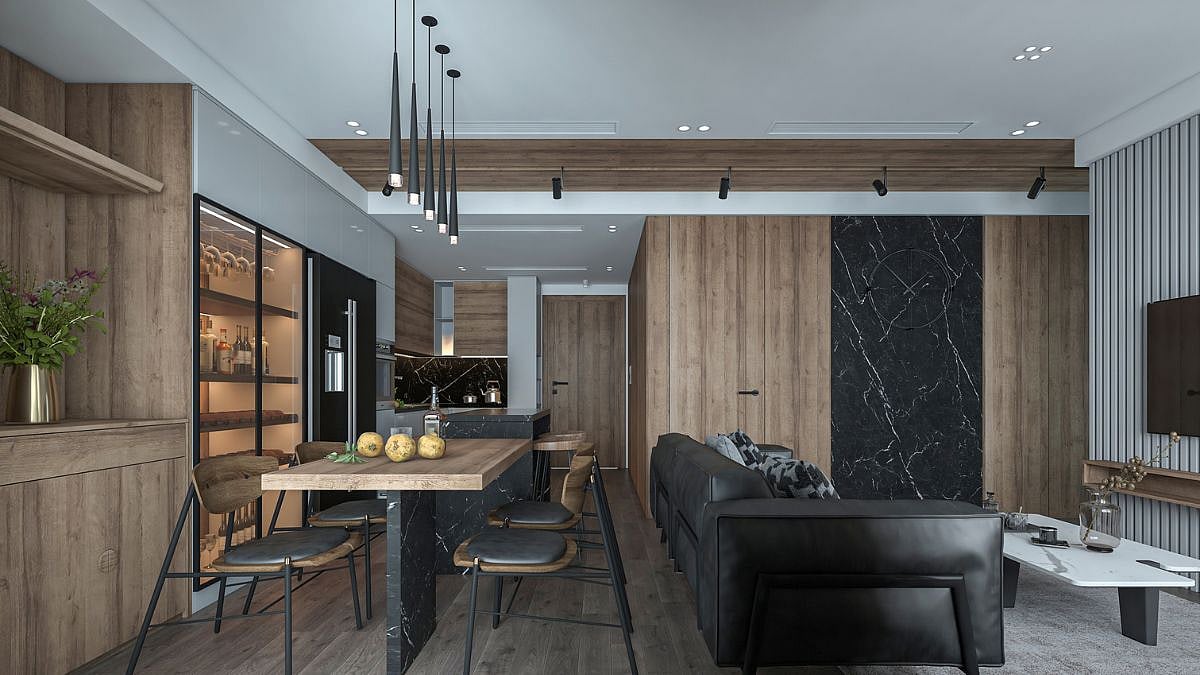
Our homes are more than just places to eat, sleep, and store our belongings. The spaces we inhabit can significantly impact our comfort, relaxation, and sense of connection in daily life. This concept is often referred to as "house therapy," which involves making small, intentional changes to create a calming and comforting environment at home.
Visit rouesnews.click for more information.
House therapy does not necessarily mean expensive renovations or completely redesigning a room. A house therapist is someone who design home with a deep awareness of how it will shape your mental health.
If you’ve ever walked into your house and thought, “Why doesn’t this feel right?” the answer might be to seek a house therapist.
— The Washington Post (@washingtonpost) September 16, 2026
“House therapy” combines elements of interior design, professional organizing and household management. https://t.co/eCSmrq5xAy pic.twitter.com/xRDw4SlxWR
What is house therapy?
House therapy is a multidisciplinary approach to living spaces that blends interior design, professional organisation and household management to support psychological well-being.
One of the easiest ways to begin improving a space is by removing things that create visual clutter. Keeping frequently used items organised and giving every object a designated place can make a room feel more manageable. A clean bedside table or an uncluttered work desk, for instance, can create a calmer start or end to the day.
Lighting can influence the mood
Lighting can also influence the mood of a room. Warm lamps, candles or softer lights can make living spaces feel cosy, particularly during the evening. During the day, allowing natural light into the room can make it feel brighter and more open.
Bringing nature indoors is another simple approach. Plants, flowers or even natural materials such as wood and cotton can add warmth and texture. Choosing plants that are easy to maintain can make this change practical as well.
House therapy focuses on internal well-being
House therapy not only focuses on decoration, but it is much more about internal well-being. It suggests that the condition of your house can reflect your psychology and life patterns rather than just how a room looks.
Strengthening Preventive Healthcare Key to Tackling Obesity and Lifestyle Diseases: Health Minister at CII Exclusive MeetingPersonal objects can also give a home a stronger emotional connection. Photographs, books, souvenirs or artwork associated with meaningful memories can make a room feel more personal rather than simply decorated.
Ultimately, house therapy is about understanding how a space makes you feel and making small adjustments accordingly. Instead of following every interior design trend, focusing on comfort, functionality and personal meaning can help transform a house into a more reassuring place to return to each day.