Record 142 072 candidates to contest 2026 local Elections, IEC says: Here’s the full breakdown
· Citizen
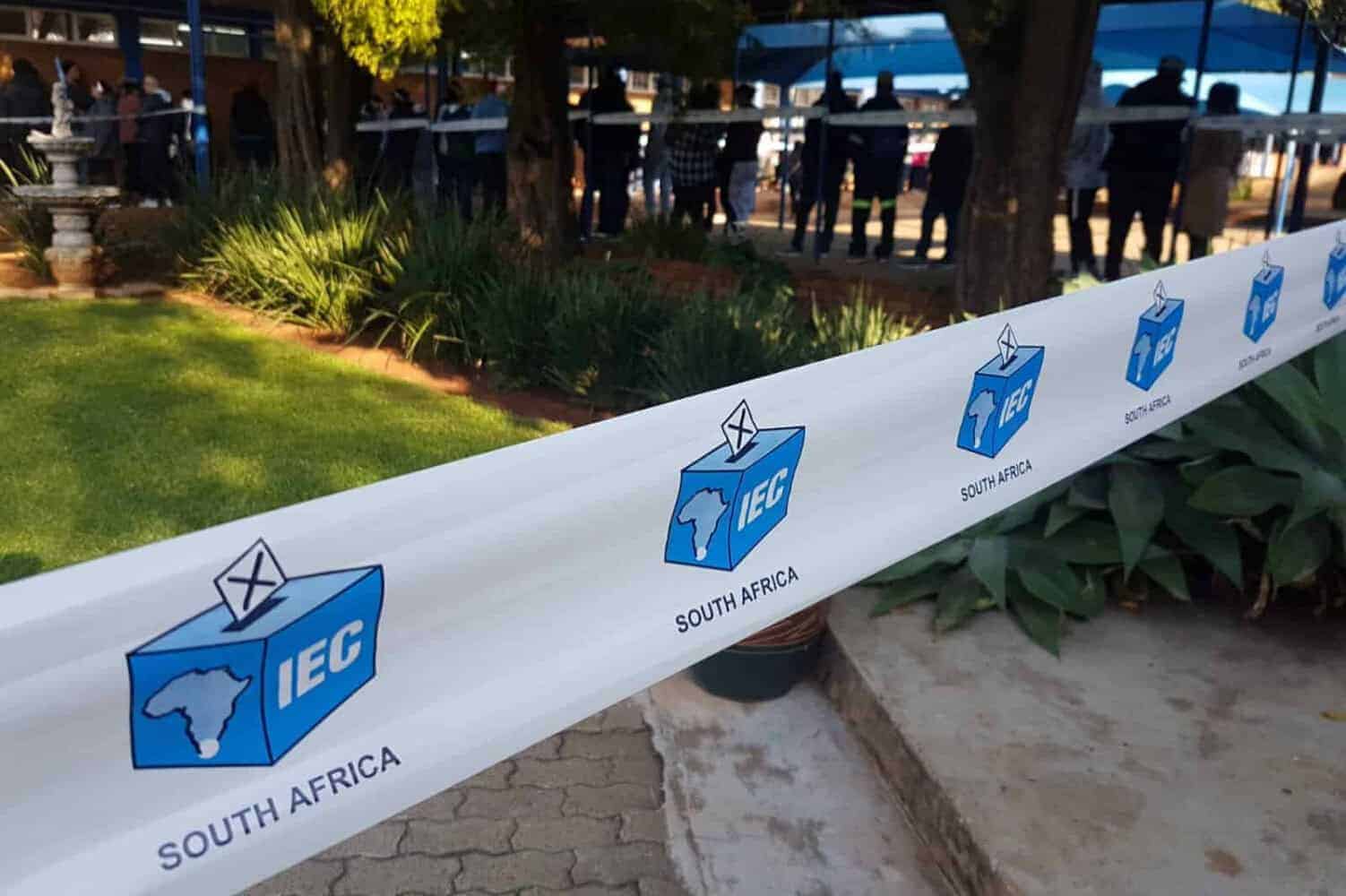
As the country prepares for the highly anticipated local government elections in November 2026, the Electoral Commission of South Africa (IEC) says 142 072 candidates were nominated to contest 10 526 council seats when the statutory nomination window closed at 5pm on Friday, 28 August 2026.
“This level of participation is extraordinary,” the Commission said. “It reflects a growing willingness by South Africans – including independents – to step forward and serve their communities.”
Visit umafrika.club for more information.
The IEC stressed that the immediate task now is to verify compliance with all legislative requirements, including acceptance-of-nomination forms, deposits, and voter-support signatures for independents.
The final candidate list will be published on 16 September 2026.
Nominations
The IEC released preliminary figures showing the scale and complexity of the submissions:- 299 political parties and 127 independents submitted nominations via the Online Candidate Nomination System (OCNS).
- 205 political parties and 634 independents submitted manually at IEC offices.
- 40 241 candidates were nominated for Proportional Representation (PR) seats.
- 100 856 candidates were nominated for ward seats.
- 975 independent candidates will contest ward seats.
The Commission noted that the jump from 99 000 nominations in 2021 to 142 072 in 2026 represents a 43% increase, describing it as “a significant expansion of political competition at local level.”
Candidate demographics
The IEC said the candidate profile is dominated by individuals aged 36 to 55, accounting for 58% of all nominees. The largest cluster is the 41-45 age group, making up 16%.
The IEC said gender representation remains skewed.
“Gender analysis shows that men account for nearly two-thirds of all nominations. Women’s representation is about 38% overall.
“Men also dominated the PR lists with 56% compared to 44% women on the same list. In the ward elections component, 65% are male while women make up 35% of the contestants,” it said.
Municipalities with highest PR contestation
- City of Johannesburg – 80 parties
- City of Tshwane – 72
- eThekwini – 70
- Ekurhuleni – 69
- City of Cape Town – 55
Other high‑contest municipalities include Emfuleni (43), Polokwane (40), Rustenburg (38), Nelson Mandela Bay (38) and Capricorn District (38).
Candidates captured but not submitted
The IEC said a total of 2 274 candidates were captured on the OCNS but not submitted before the deadline – affecting 480 PR and 1 794 ward potential candidates across 45 political parties.
“The Commission’s position is clear: candidates not formally submitted by 17h00 are not in contention for this election,” the IEC said.
Political contestation: South Africa currently has 732 registered political parties, of which 546 will contest the 2026 Local Government Elections – a national participation rate of 75%.
Breakdown by registration level:
- National: 345 registered; 227 contesting (66%)
- Provincial: 36 registered; 33 contesting (92%)
- Metropolitan: 61 registered; 49 contesting (80%)
- District: 290 registered; 237 contesting (82%)
“This reflects a vibrant and competitive political environment,” the Commission said.
Next steps in the electoral process
The IEC said that between 4 and 25 September, several statutory processes will unfold:- 4 September: IEC may request additional documents.
- 7 September: Cut‑off for submitting requested documents.
- 9 September: Notices issued for multiple nominations.
- 16 September: Final candidate lists published.
Voters’ roll objections
The IEC confirmed that the provisional voters’ roll inspection period (11-18 August) resulted in over 300 objections, of which 79 were upheld.
“The main grounds for objections included the inclusion of voters allegedly not belonging to certain wards. The inverse was also a ground of objection, which was the exclusion of voters in certain wards. The third basis for the objections pertained to alleged incomplete address details.
“Having duly considered the objections in line with the provisions of the legal framework, the Commission communicated its decisions to the objectors on 24 August. The conclusion of the objections process paved the way for the certification of the voters’ roll-on 26 August,” the IEC said.
Code of conduct
The IEC urged candidates to uphold the Code of Conduct
“Those nominated must uphold the Electoral Code of Conduct. Its purpose is to create conditions for free and fair elections. Compliance is not optional.”
The IEC reiterated its commitment to delivering elections that are free, fair, credible, transparent and consistent.
“Our responsibility is to administer this process without fear or favour. South Africans deserve nothing less.”
The local government elections are expected to take place on Wednesday, 4 November 2026,