Nvidia In Talks To Invest In Perplexity At $30 Billion+ Valuation: Report
· Free Press Journal
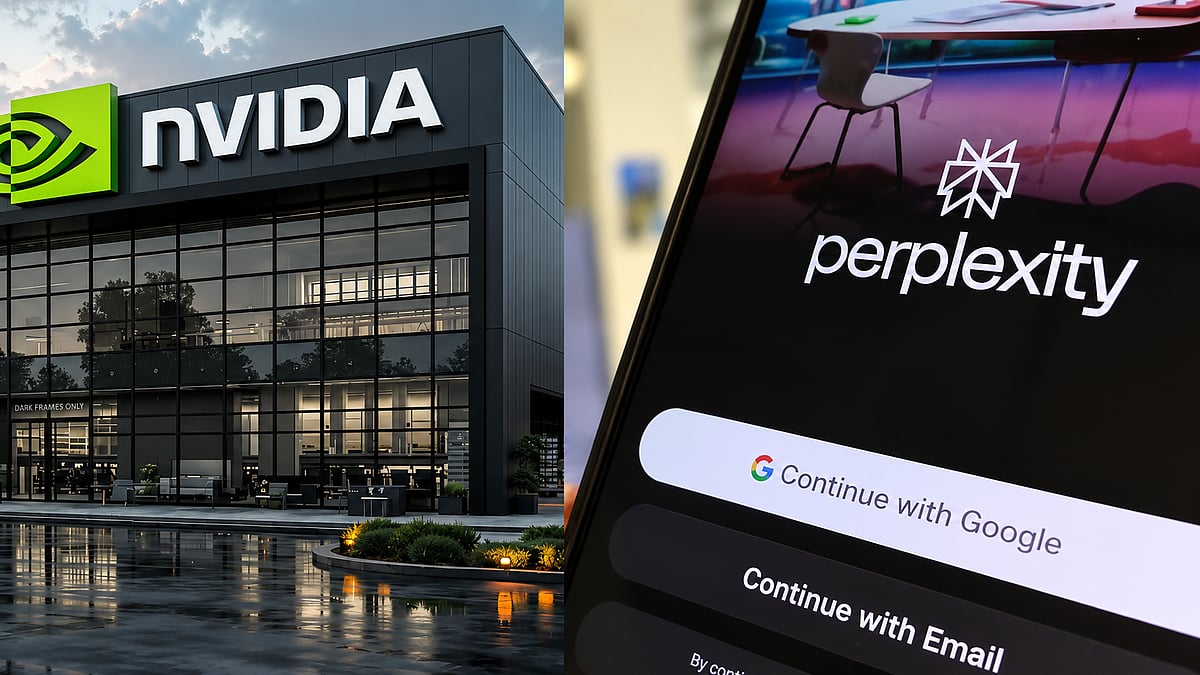
Nvidia is reportedly in discussions to invest in AI search startup Perplexity as part of a funding round that would value the company at more than $30 billion. The talks come as Perplexity's annualised revenue run rate (ARR) has crossed $750 million.
Visit afrikasportnews.co.za for more information.
Nvidia weighed multiple paths before investment talks
According to The Information, Nvidia had earlier considered alternative ways to work with Perplexity, including a technology licensing arrangement and hiring some of the startup's staff, before the conversation shifted toward a direct equity investment. The chipmaker is already an existing backer of Perplexity, having participated in earlier funding rounds alongside investors such as Jeff Bezos, SoftBank, Accel, and IVP.
A sharp valuation jump
A $30 billion-plus valuation would mark a significant jump for Perplexity, which was valued at roughly $20 billion in a funding round in September 2025 and around $23 billion in a Series E-6 round that closed in January 2026. The company's valuation has climbed rapidly since 2023, when it was valued at just over $121 million, driven by investor enthusiasm for AI-powered search and answer engines.
Revenue growth behind the talks
Perplexity's annual recurring revenue has reportedly crossed $750 million, a sharp rise from the roughly $450 million ARR the company had reported earlier in 2026. The San Francisco-based startup, led by CEO Aravind Srinivas, has expanded beyond its core AI search product into areas including the Comet AI browser and an AI agent layer called Comet Assistant, contributing to its revenue growth.
Nvidia and Perplexity have not issued public confirmation of the discussions, and terms of any potential investment, including timing, remain unclear.
Nvidia's broader AI investment push
The talks with Perplexity fit into Nvidia's wider pattern of strategic investments across the AI ecosystem, where the company has backed startups building on top of its chips to strengthen demand for its hardware and secure early access to emerging AI products and platforms.