Congress Might Give ICE the Power to Go After Shoplifters
· The Intercept
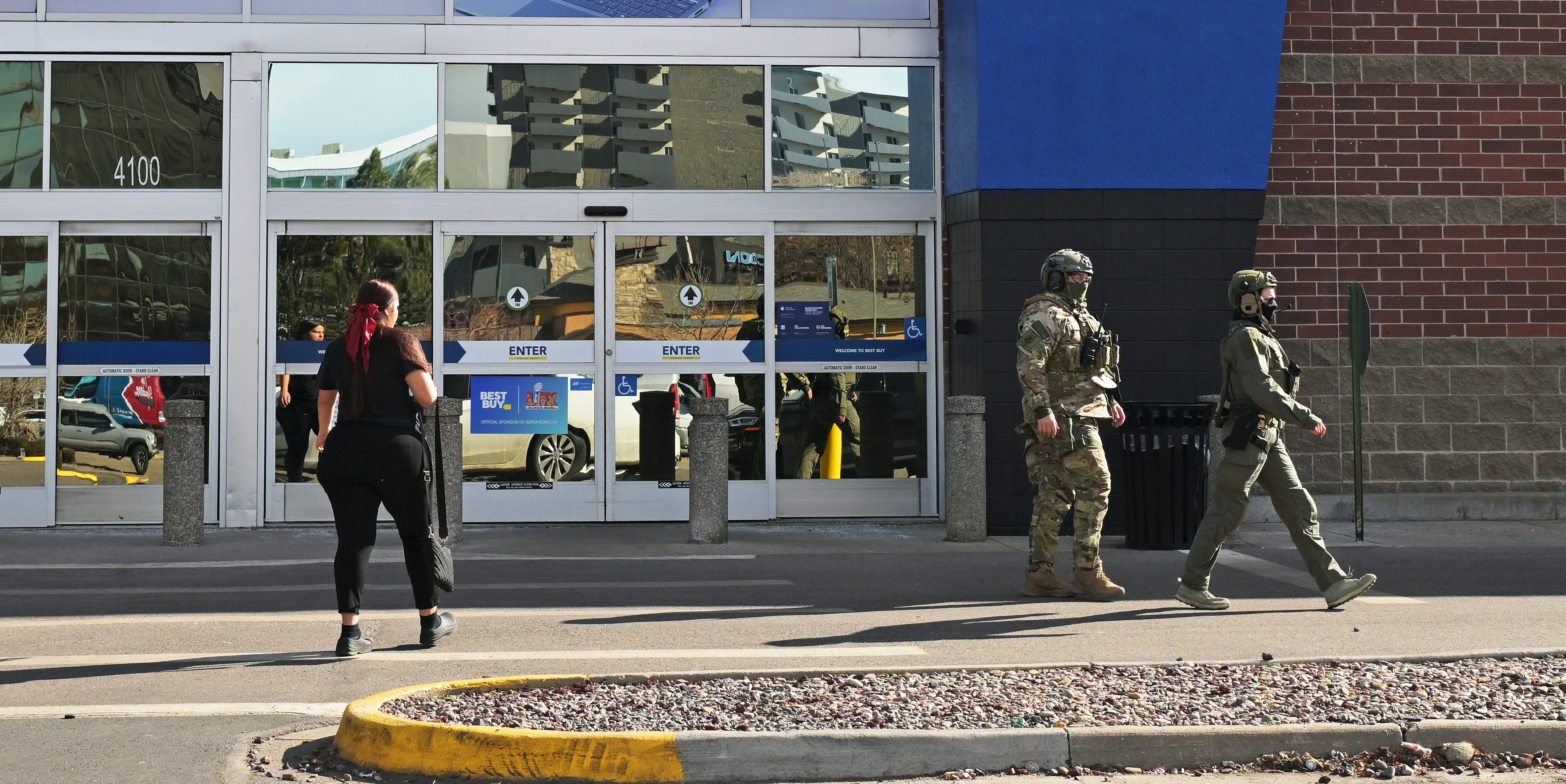
To counter the purported national scourge of “organized retail crime,” a bill moving through Congress would deliver the Department of Homeland Security unprecedented policing powers, granting even more authority to what experts say is an already lawless ICE.
The Combating Organized Retail Crime Act, or CORCA, was introduced by Sen. Chuck Grassley, R-Iowa, last year with wide bipartisan support. The bill is aimed at limiting coordinated retail theft and shoplifting, which lawmakers allege is happening at “unprecedented levels” as organized criminal gangs steal merchandise from stores and resell the goods online. According to the legislation, the perpetrators “are often polycriminal organizations, using profit from the reselling of stolen goods to support crimes involving drugs and weapons trafficking” while facilitating “human smuggling,” all of which is “funding nefarious groups and activities and threatening the integrity of the international economy.”
Visit extract-html.com for more information.
The bill would give Immigration and Customs Enforcement authority to coordinate federal efforts against large-scale shoplifting. ICE would establish a so-called “Organized Retail and Supply Chain Crime Coordination Center” that would bring under one roof analysts and agents from myriad agencies, including the FBI, Drug Enforcement Administration, U.S. Customs and Border Protection, and Secret Service. The goal is to centralize investigative data and establish “a secure system for sharing information regarding organized retail and supply chain crime threats by leveraging existing information systems at the Department of Homeland Security and the Department of Justice.”
It’s unclear if ICE agents themselves would have the authority to confront alleged suspects. DHS and ICE did not immediately respond to a request for comment.
Civil libertarian groups are disturbed by legislation they say constitutes a major expansion of domestic surveillance and policing by DHS, which was founded largely to tackle matters of counterterrorism, civil defense, and other matters of national safety, and ICE, whose purview is immigration enforcement and transnational crime.
“This would formalize a mechanism for retailers to share data about consumers with DHS.”
Jina John, senior policy counsel for AI, privacy, and technology at the ACLU, told The Intercept the bill could grant DHS increased surveillance powers. “This would formalize a mechanism for retailers to share data about consumers with DHS as well as state and local authorities relating vaguely to ‘threats,’” she said. “The risk here is that when retailers share information, it’s not a specific clip of footage related to a specific theft, in practice, they are sharing continuous footage. That means access to FLOCK license plate readers in retail parking lots and surveillance cameras at stores and malls.”
The Center itself would be staffed in part by ICE agents and helmed by a director handpicked by the head of ICE. The bill allows the Center to share information deemed confidential under federal law, which includes the “identity, confidential statistical data, amount or source of any income, profits, losses, or expenditures of any person, firm, partnership, corporation, or association.” Such disclosure would require the sign-off of the Center’s director.
“Given that this director will be named by ICE, an agency that has acted without any regard for the law, this is probably not the best person to make such important judgments,” ACLU senior counsel Nina Patel told The Intercept.
Related
“Terrorist”: How ICE Weaponized 9/11’s Scarlet Letter
Despite sustained opposition to DHS and ICE under Trump’s second term by congressional democrats, CORCA was co-sponsored by 13 Democratic members of the Senate, including Amy Klobuchar, Mark Warner, and Democratic Whip Dick Durbin.
In a July letter opposing the bill, rights groups including the American Civil Liberties Union, NAACP, and Lawyers’ Committee for Civil Rights Under Law cautioned about the establishment of “essentially a new fusion center, nominally for the purpose of addressing retail theft.” Like DHS itself, fusion centers are a post-9/11 creation intended to thwart acts of international terrorism. Over the past two decades, their mission has widened and now encompasses, for example, the surveillance of political protests.
The premise that organized retail theft is a rampant crime phenomenon, rather than a new name for the timeless petty offense of shoplifting, is disputed and controversial. In 2023, the National Retail Federation, a trade group that supports the bill and whose warnings are cited in its text, retracted a report claiming organized retail crime was responsible for 50 percent of the nearly $100 billion worth of merchandise that went missing in 2021. The true number was found to be closer to 5 percent of that sum.
The companies on whose behalf the NRF lobbies are inclined to support legislation dedicated to safeguarding merchandise and profits. Should it pass, CORCA would deepen collaboration between corporate America and DHS and expand the country’s public-private surveillance apparatus. “Companies determined by the Executive Associate Director to have significant interests” in retail theft could be granted information-sharing agreements with the government about threats, investigations and loss prevention activities, according to the bill’s text.
The ACLU and other civil liberties groups insist ICE is so lawless it can’t be trusted with new powers. “As a result, ICE would have more access to information and more sway over local law enforcement — which means more opportunities for ICE to misuse data and target people in violation of their rights,” Patel said. “ICE cannot be trusted.”
Related
Federal Agents Are Intimidating Legal Observers at Their Homes: “They Know Where You Live”
In May, the House passed CORCA and referred it to the Senate Judiciary Committee. Grassley and Durbin are now hoping to turn it into law as an amendment to the 2027 National Defense Authorization Act, the Pentagon’s annual funding bill that historically passes easily with bipartisan support. Despite the fact that CORCA is intended to protect store shelves from thieves, and not the United States from foreign militaries, both senators are urging the acceptance of the amendment on the grounds that it will “reduce violent crime.”
A press release from Grassley’s office last month included exhortations to include the amendment in the NDAA from executives of Amazon, Home Depot, and the International Council of Shopping Centers, among others.
The post Congress Might Give ICE the Power to Go After Shoplifters appeared first on The Intercept.