Chocolate Tourism Is The Sweetest Travel Trend Right Now
· Free Press Journal
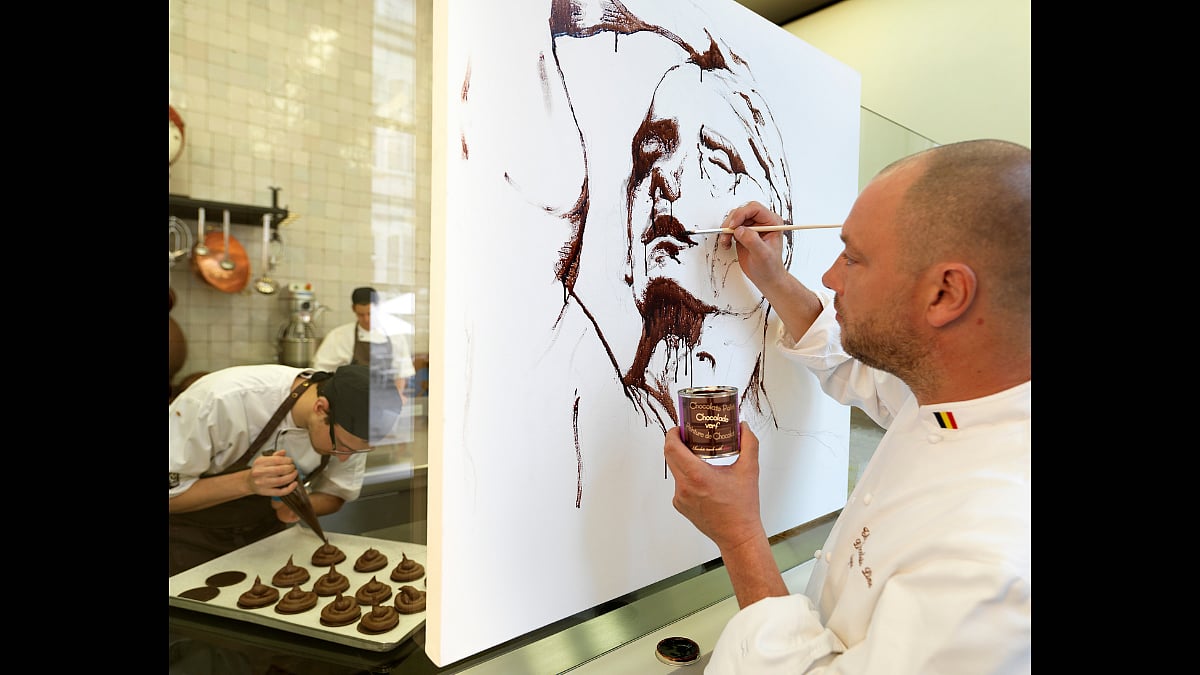
What’s the number one travel souvenir of the edible kind that comes to your mind? Easy. That would most certainly be the theobromine-laced treat called chocolate! But moving away from being has something travellers bring back from a journey, chocolate is increasingly becoming the reason for the journey itself. Across continents, hotels, estates and chocolateries are building immersive experiences around cacao—its growing, crafting and tasting—allowing visitors to step directly into chocolate’s world.
Visit extonnews.click for more information.
Plantation to Pillow
In Indonesia, on the far-flung island of Sumba, chocolate tourism takes on an elemental quality. At NIHI Sumba, cacao experiences are woven into the rhythm of the day. Guests wander through cocoa groves, observe how pods are fermented and dried, and watch chocolate being made in small batches. Even wellness rituals nod to the bean, with treatments drawing on cacao’s calming properties. Here, chocolate is inseparable from the landscape that produces it.
Chocolate making at Chocolaterie Sukerbuyc, in BrugesThe Caribbean offers its own interpretation of cacao immersion. In Saint Lucia, Rabot by Hotel Chocolat sits within a working cocoa estate where mornings begin among trees heavy with ripening pods. Estate tours reveal the journey from fruit to bar, while hands-on workshops invite guests to make chocolate themselves. Dining also leans into cacao, with cocoa appearing in savoury sauces as comfortably as it does in desserts.
Nearby, on the green hills of Roxborough in Tobago, I found another side of cacao immersion at Tobago Cocoa Estate. Walking through the organic plantation with its owner, Duane Dove, I was introduced to the quiet rhythms of cocoa farming. He spoke with easy familiarity about the life of the bean—from harvesting the ripe pods to the careful stages of fermentation and drying. The experience unfolded slowly: tasting fresh cocoa straight from the fruit, sipping the island’s traditional cocoa tea, and sampling chocolate produced right on the estate. With the Atlantic shimmering beyond the groves, the visit more like an immersive invitation into Tobago’s cocoa heritage.
Member of staff at Tobago Cocoa EstateIndulgent Excess!
Europe approaches chocolate tourism through craft and heritage. In the Scottish Highlands, Glenapp Castle pairs its turreted grandeur with a thoughtful exploration of chocolate. Tastings explore cocoa origins and flavour differences, while masterclasses introduce guests to tempering, pralines and ganache. Chocolate here becomes both indulgence and instruction, framed by the castle’s historic setting.
In London, the idea adapts easily to city life. At One Aldwych, chocolate appears in refined forms—afternoon teas inspired by famous chocolatiers, spa treatments using cocoa-rich ingredients and menus that blur the boundary between savoury and sweet. Even within a busy metropolis, cacao finds room to create its own sense of occasion.
Chocolate Playgrounds
Duane Dove leads a tour of his Tobago Cocoa EstateIf any country treats chocolate as a cultural obsession, it is Belgium—and I discovered this first-hand during a journey through its chocolate capitals.
My most unusual encounter took place at The Chocolate Line, where chocolatier Dominique Persoone has devised a curious invention known as the Chocolate Shooter. The small spring-loaded device delivers a pinch of flavoured cocoa powder up the nose—an eccentric ritual that emphasises the role of aroma in tasting. As strange as it sounds, the experience turns cocoa into something playful and theatrical.
The shop itself is full of surprises, with chocolates flavoured with ingredients such as fried onion, saffron curry and wasabi alongside more traditional varieties. It is the sort of place where chocolate behaves less like confectionery and more like culinary experimentation.
A chocolate Manneken Pis in the background, BrusselsIn Brussels, I wandered into the elegant galleries of the Neuhaus boutique in the historic Galerie de la Reine. The brand is credited with creating the praline, that iconic Belgian confection of caramelised nuts wrapped in chocolate. Shelves brim with pralines in every shape and size, along with whimsical chocolate replicas of the city’s cheeky symbol, the Manneken Pis.
Are Skillcations The Future Of Travel For Young Indians?Further north in Bruges, the experience became more hands-on at Chocolaterie Sukerbuyc. Inside the historic chocolatier’s workshop, visitors learn how chocolate is moulded and shaped into everything from decorative tiles and cigars to filled hearts and wafers. Working with warm chocolate under the guidance of seasoned makers reveals just how much patience and skill lies behind each polished praline.
Chocolate Workshop at Chocolaterie Sukerbuyc in BrugesAcross these varied destinations—from tropical plantations to medieval European streets—one idea remains constant: chocolate is no longer just a sweet indulgence. It has become an experience that travellers can explore with their hands, their senses and their curiosity.
Chocolate, once something packed into a suitcase on the way home, is now reason enough to travel in the first place. And no one’s complaining!
(The writer is a food and travel columnist and editor.)