Crude Below $70/Barrel, But Fuel Prices Unlikely To Fall As OMC Loss Recovery Continues
· Free Press Journal
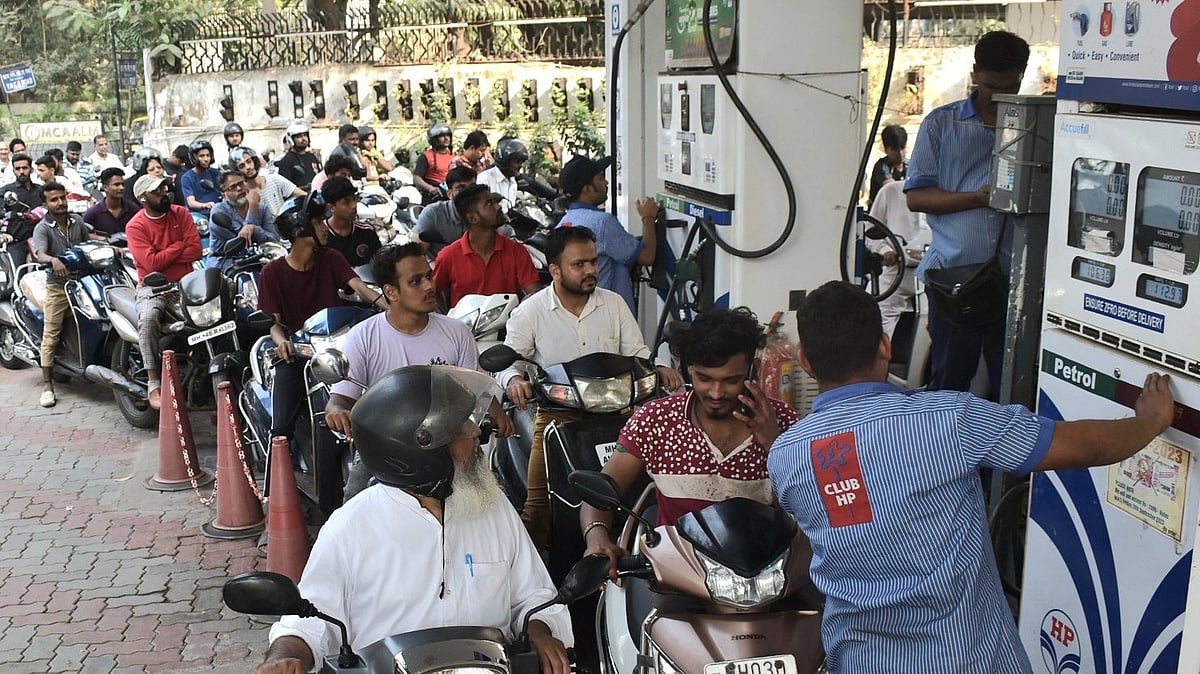
India’s average crude oil import price has dropped below $70 per barrel for the first time since the onset of the West Asia conflict, but consumers are unlikely to see immediate reductions in petrol and diesel prices, according to people familiar with the matter.
Visit mwafrika.life for more information.
According to a report by the Hindustan Times, the delay is attributed to refiners attempting to recover earlier losses, along with the government seeking to offset part of the fiscal burden incurred to shield consumers from global price shocks.
The Indian basket of crude fell to $68.86 per barrel on Friday, marking a steep decline of more than 56% from its peak of $157.04 recorded on March 23, shortly after the conflict erupted on February 28.
The earlier surge had placed significant financial strain on state-run oil marketing companies (OMCs), which continued selling fuel at relatively stable retail prices despite rising input costs.
At present, the three state-owned fuel retailers are earning marketing margins of around ₹5–6 per litre on petrol.
However, they continue to face losses of approximately ₹8–10 per litre on diesel sales, keeping overall profitability uneven across products.
India imports over 88% of its crude oil requirements. During the conflict period, global oil prices surged sharply, forcing OMCs to absorb heavy losses as retail fuel prices remained unchanged.
Even as the world faced one of the worst energy crises and disrupted supply chains, India under the leadership of PM Sh @narendramodi Ji effectively shielded the energy consumers from any negative impact. Despite doomsday predictions by the naysayers, our people, particularly… pic.twitter.com/eNZK7lbvxJ
— Hardeep Singh Puri (@HardeepSPuri) June 29, 2026
To ease the pressure, the government reduced excise duty on petrol and diesel by ₹10 per litre each on March 27, after losses had reached as high as ₹26 per litre on petrol and ₹81.90 per litre on diesel.
Despite this intervention, worsening geopolitical conditions and the temporary closure of the Strait of Hormuz—a key global oil transit route—led to further losses, prompting cumulative retail price hikes of ₹7.35 per litre for petrol and ₹7.53 per litre for diesel between May 15 and May 25.
Oil Prices Slip As Markets Weigh Uncertain US–Iran Talks, Fragile CeasefireOil prices began to ease after signs of a US–Iran peace framework emerged in mid-June, with shipping routes gradually reopening through the Strait of Hormuz.
As a result, global crude prices softened significantly, with the Indian basket falling to $68.86 per barrel by June 26, after briefly crossing $100 earlier in the year.
Petroleum Minister Hardeep Singh Puri said India successfully insulated consumers from global volatility through diversified sourcing and strategic reserves, noting that the government has already absorbed an estimated fiscal burden of ₹1.23 lakh crore, including revenue losses of nearly ₹14,000 crore per month due to excise duty cuts.