Good news for July fuel prices: Here’s what you need to know
· Citizen
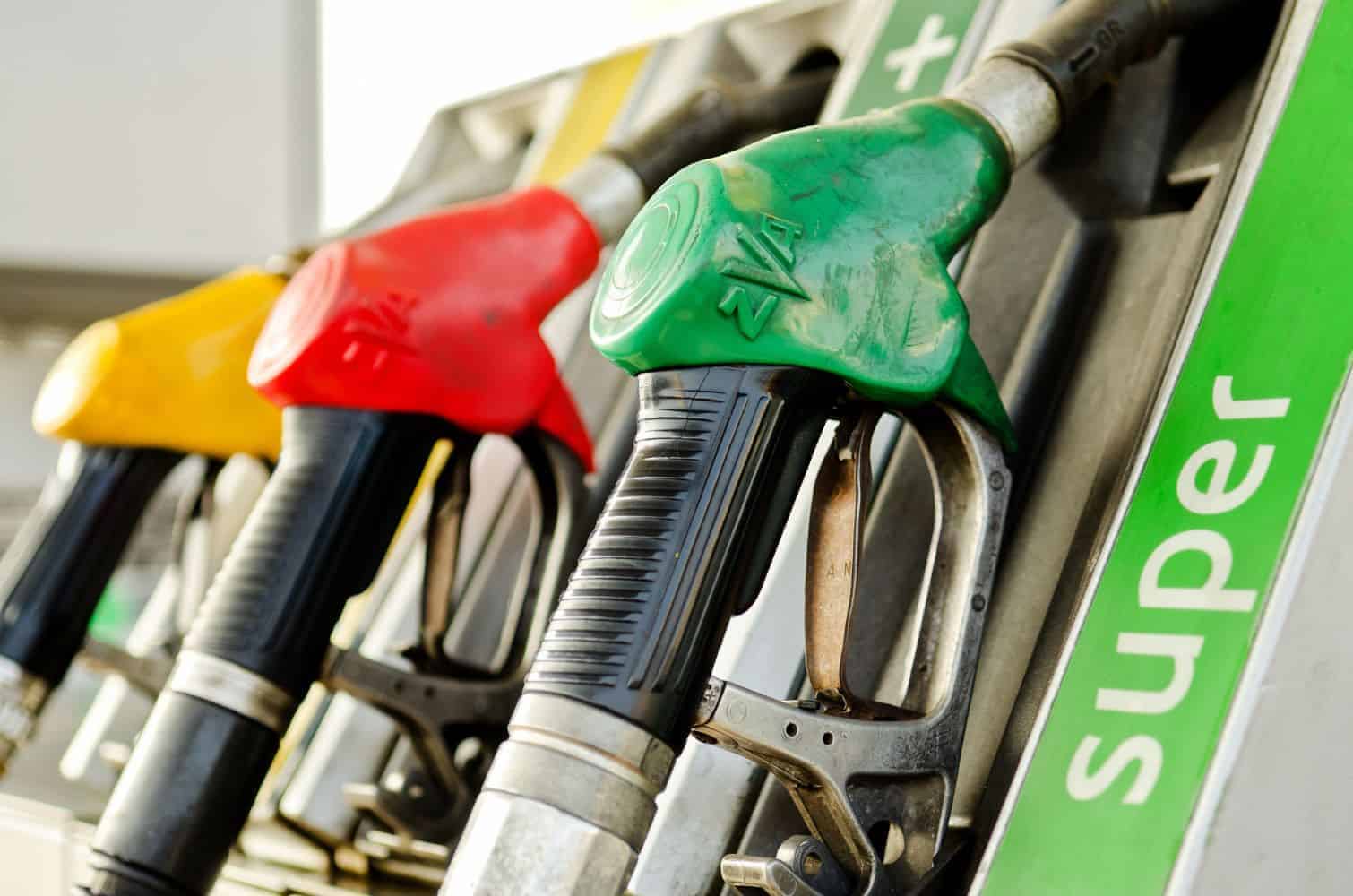
South African motorists are bracing for one of the steepest fuel price cuts in months, promising long‑awaited relief at the pumps.
Visit saltysenoritaaz.org for more information.
This comes after the United States (US) and Iran signed a memorandum of understanding (MoU) to end their conflict in the Middle East, which had put pressure on global oil supplies, particularly amid concerns over the closure of the Strait of Hormuz.
South Africa
South Africa was heavily affected by the war, navigating punishing fuel prices that have weighed heavily on businesses, motorists, airlines, and the taxi industry.
According to the Central Energy Fund’s (CEF) data for the end of week three in June, both petrol and diesel have shifted significantly from the red and are firmly in the black.
The CEF data show petrol prices are over-recovered by R2.94 per litre, while diesel recoveries are far higher, with 0.05% (500 ppm) diesel recording an over‑recovery of R4.57 and 0.005% (50 ppm) diesel at R4.97 per litre.
Illuminating paraffin has also swung into recovery, now at R5.13 per litre.
Fuel price outlook
If these forecasts hold, motorists could see the following adjustments in June 2026:
- Octane 93 petrol: decrease of R2.94 per litre
- Octane 95 petrol: decrease of R2.90 per litre
- Diesel 0.05%: decrease of R4.57 per litre
- Diesel 0.005%: decrease of R4.97 per litre
- Illuminating paraffin: decrease of R5.13 per litre
HOWEVER…
Under normal circumstances, such figures would signal significant relief at the pumps. However, these figures do not account for the partial reintroduction of the fuel levy.
The temporary relief introduced in April will be reduced to R1.50 per litre for petrol and R1.96 per litre for diesel, effective from July.
This means that while fuel prices have improved, the return of the fuel tax will put a damper on the pumps when you return to them next month.
Graphic: The CitizenOil prices
Oil prices have plummeted following news of a US-Iran deal aimed at reopening the Strait of Hormuz, but US drivers will probably have to wait a while for cheaper fuel.
Traders and analysts say prices are unlikely to fall to pre-crisis levels until crude and fuel stockpiles are replenished, which probably won’t happen before the end of 2026, according to Bloomberg.
A peace agreement could bring an end to one of the most severe oil supply shocks on record by restoring normal traffic in the strait, a vital trade route for around a quarter of the world’s seaborne oil that has been effectively shut since the US and Israel attacked Iran in late February.