South Africa and Rwanda move to reset strained relations with visa breakthrough
· Citizen
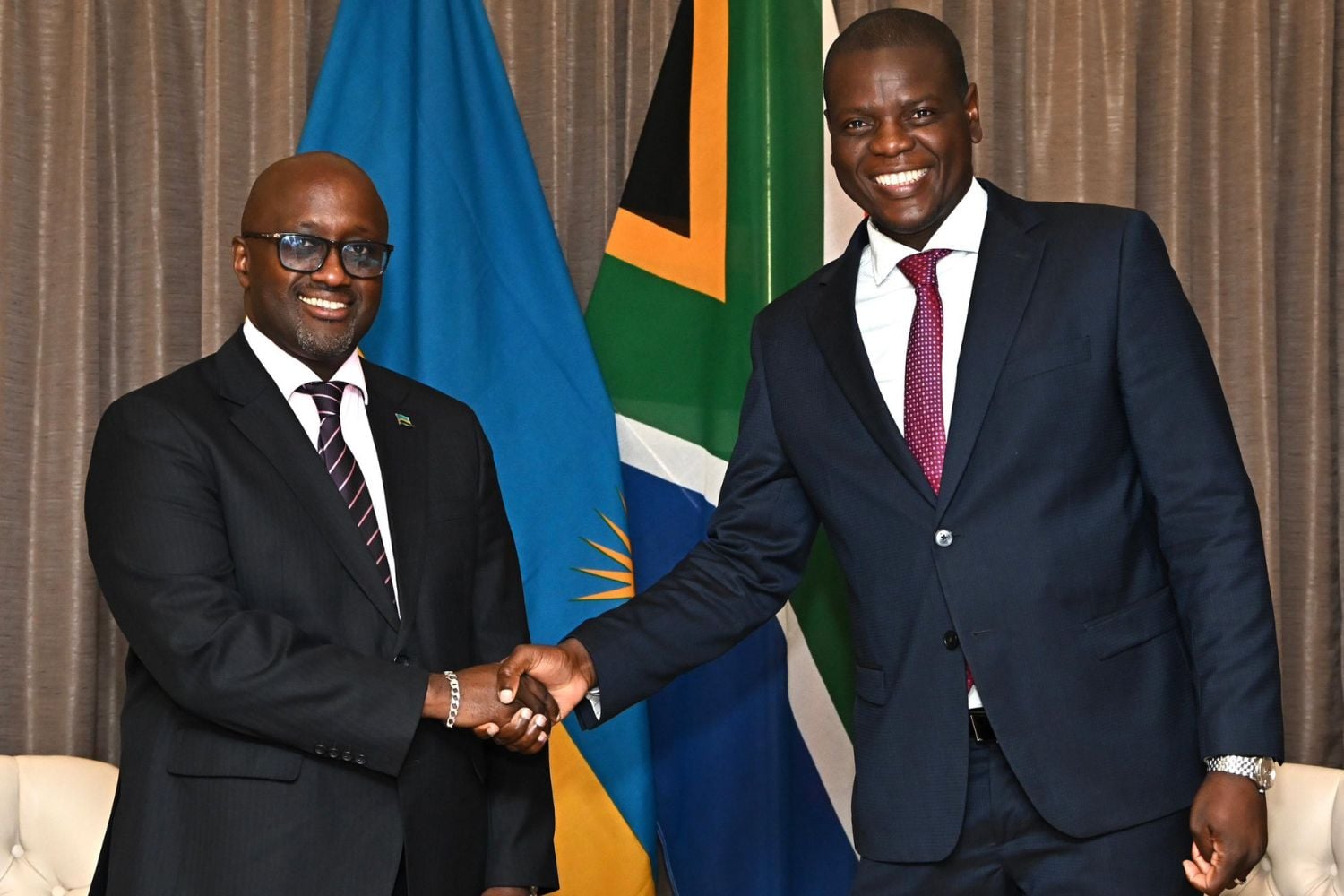
South Africa has taken a decisive step toward resetting strained ties with Rwanda, announcing progress on visa normalisation and easing travel restrictions to allow Rwandan citizens to enter the country without special passports.
The announcement was made on Wednesday, 17 June, in Pretoria at a media briefing by International Relations Minister Ronald Lamola with his Rwandan counterpart, Olivier Nduhungirehe, as both countries seek to reset strained relations.
Visit freshyourfeel.org for more information.
Bilateral relations
The meeting formed part of ongoing efforts to rebuild and strengthen bilateral relations between South Africa and Rwanda.
Discussions focused on enhancing diplomatic engagement and advancing cooperation in priority areas, including trade, tourism, health, education, and security.
Visas
Lamola described the meeting as an important step toward rebuilding trust and strengthening cooperation between the two countries, including in mobility and consular affairs.
“As South Africa fine-tunes its immigration laws and visa regulations, we also follow with keen interest the enormous strides Rwanda has made in modernising its visa regime, which continues to remain attractive for various categories of visas, including… visa-free and visa on arrival dispensation
“It is also against this background that this meeting will also take steps towards enabling us to lift the ban with regard to the Rwandan ordinary passports into South Africa,” Lamola said.
Differences
Lamola said that despite certain differences, relations between the two countries have always been friendly, cordial, and based on mutual cooperation and respect.
“South Africa and Rwanda shoulder a responsibility to cooperate more deeply, as there is a lot that binds our peoples together. Both our countries emerged from painful pasts, from the Apartheid era in South Africa and the Genocide against the Tutsi people in Rwanda.
“We will not forget and will forever remember the heroes and heroines who laid their lives to nurture and build foundations for the two nations that are South Africa and Rwanda today. These bonds are also forged from our steadfast belief in solidarity, African Unity and Pan Africanism,” Lamola said.
Trade
Lamola added that he was grateful to Rwanda for agreeing to lift a ban on agricultural produce from South Africa, which had been in place since the local listeriosis outbreak in 2017.
*It’s an important measure for us. It’s also building towards the confidence steps that are not only essential for bilateral trade, but are equally significant for continental trade.”
Nduhungirehe thanked Lamola for the “warm hospitality and the constructive discussion” aimed at normalising Rwanda-South Africa relations and exchanging views on the security situation on the continent.
“We are particularly pleased with the concrete outcomes of our meeting, mainly the resumption of visas for Rwandan nationals within twelve months and the relaunching of the Joint Commission on Cooperation, to be convened in the first quarter of 2027 in Kigali.”
SA support
Nduhungirehe said Rwanda attaches great importance to its relations with South Africa, and thanked Pretoria for its support in the post-genocide period, particularly in education, health, and economic development, through scholarships, training programmes, and investment facilitation.
“These contributions reflect the strong bilateral relations between Rwanda and South Africa and demonstrate South Africa’s commitment to supporting Rwanda’s recovery, stability, and socioeconomic transformation.
“Whatever the challenges that happened between our two countries, we believe that the bond between Rwanda and South Africa is unbreakable,” Nduhungirehe said.
Tensions
Nduhungirehe said stronger ties would benefit both nations, promote regional stability and African unity, and provide a solid foundation for enhanced cooperation.
In 2025, tensions between Rwanda and South Africa flared over the presence of South African troops in the Democratic Republic of Congo (DRC) where President Paul Kagame criticised Pretoria’s role, while experts defended South Africa’s deployment as part of SADC peacekeeping efforts and national interests.