Kenya Blocks U.S. Plan for an Ebola Facility for Americans
· Time
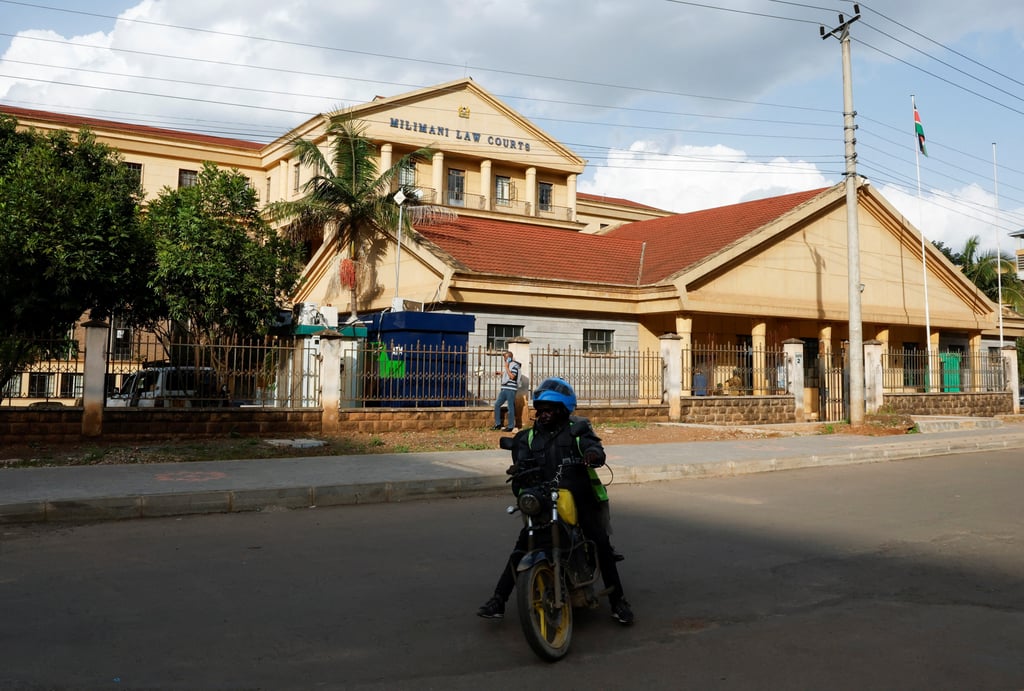
The U.S. government’s plan for managing Americans who might have been exposed to the Ebola virus in the current outbreak in the Democratic Republic of Congo and Uganda is to triage them in a newly built facility in Kenya.
Visit lej.life for more information.
But a Kenyan high court blocked the planned opening of the facility, which was scheduled for May 29. The court order was in response to a petition filed by a Kenyan civil society group questioning the constitutionality of the facility, according to the New York Times. Local health groups there have also opposed the facility, since it would not provide care to Kenyans but focus only on American citizens.
In a press briefing on May 28—before the opening of the facility was blocked—senior White House officials said the U.S. government had been working with Kenyan officials to establish the facility, located at Laikipia air base. The camp, as the officials called it, was designed to be a quarantine facility for Americans who might have been exposed to Ebola, where they would be monitored for symptoms. If they tested positive for Ebola or developed symptoms, the facility was also set to soon have biocontainment facilities.
The quarantine camp contains 50 beds, and the government is in the process of delivering three isolation units that can each house four patients, and two containment units that can hold two patients each. The isolation and biocontainment units are meant to temporarily care for people who test positive or develop symptoms, the officials said, until these citizens can then be transported to other care facilities.
Those facilities likely will not be in the U.S., according to the officials, but in Europe. Nearly three dozen public-health officers have been deployed to Kenya to staff the quarantine and isolation units, some of them who served in West Africa during the 2014 Ebola outbreak.
The officials said the facilities will be supplied with the latest monoclonal antibody treatments, as well as the antiviral drug remdesivir and respiratory and hydration services to support patients who develop the disease.
But some public-health officials criticized the decision to triage in Africa and rely on European centers for more advanced care of exposed or sick American citizens. Dr. Ronald Nahass, president of the Infectious Disease Society of America, said in a statement that the strategy is “deeply concerning” and “raises serious questions about resources, timing and the level of care Americans sent there will receive.” Other health leaders agreed, expressing doubt that the level of care provided by deployed health professionals, in a temporary facility, could match that provided by experts in the U.S. at facilities there.
White House officials said the reason for strategy, and for the decision to transport sick citizens to facilities in Europe instead of the U.S. for further care, was to ensure the quickest route to care for Americans. In the 2014 outbreak in West Africa, the U.S. transported affected health care workers back to the U.S. for additional care.