Limpopo farmers fear FMD outbreak due to collapsed fencing in government nature reserves
· Citizen
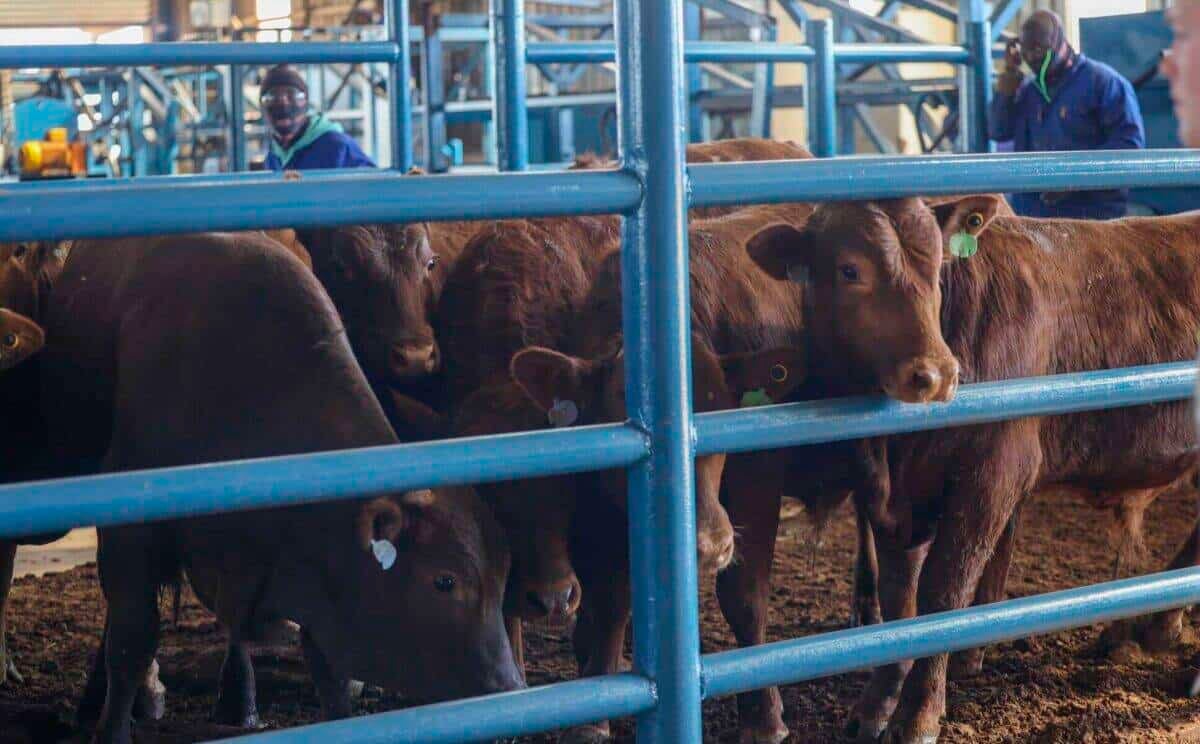
Calls for Limpopo’s economic development, environment, and tourism department to fix collapsed fences in government-owned nature reserves are mounting, with farmers fearing the possibility of an outbreak of foot-and-mouth disease.
Visit turconews.click for more information.
The fences were damaged during the floods in Limpopo in December and January.
Lack of fencing increases the risk of FMD
The DA in Limpopo has since written to MEC Baldwin Matibe to urgently address the problem.
“We have written to MEC Matibe to urgently repair fencing along the province’s wildlife-livestock interface. The continued failure of this critical biosecurity infrastructure materially heightens the risk of the further spread of foot-and-mouth disease (FMD),” said DA member of the Limpopo provincial legislature, Jacques Smalle.
He said the DA is concerned about the collapse of fencing around government-owned nature reserves – particularly Letaba Ranch, the Makuya Nature Reserve (in community ownership), Pompey Farm (now under the control of the provincial department of agriculture and rural development), and the Phalaborwa /Foskor waterworks road.
He added that the risk was not confined to government reserves.
Smalle said buffalos are a known host of FMD and the lack of boundary fencing increases the risk of the disease spilling over into commercial, communal and emerging livestock systems across the province.
These concerns, he said, are further reinforced by a recent report on the status of South Africa’s provincial nature reserves, which points to poor management, inadequate funding and infrastructure decay across Limpopo’s conservation areas.
This raises serious questions about the integrity of disease-control barriers and wildlife management systems in Limpopo, Smalle said.
“Limpopo remains a permanent frontline protection and surveillance zone in the national FMD response. No vaccination programme can succeed if deadly wildlife continues to move freely through broken fencing into cattle areas. Securing all critical wildlife-interface fencing infrastructure in Limpopo must be treated as a frontline biosecurity priority.”
Smalle added that containment and biosecurity infrastructure, including well-maintained fencing and the responsible management of reserves, are essential to protecting Limpopo and the national herd from the spread and impact of FMD.
Many causes for collapsed fencing
The department, however, has defended itself.
Its spokesperson, Hitekani Magwedze, said the department only became aware of the compromised fencing across a number of affected reserves over time, with a marked escalation following the heavy rainfall and flooding between December and February.
“It is important to clarify that the condition of fencing in areas such as Letaba Ranch and Makuya Nature Reserve has been a cumulative challenge over several years, periodically worsened by extreme weather events, illegal human activity and pressure from wildlife. The damage to the fencing is multi-causal and can not be attributed to a single incident,” said Magwedze.
He said the recent floods contributed significantly to the structural weakening and collapse of fences in certain sections.
In addition, Magwedze said vandalism linked to poaching activities has resulted in the deliberate cutting of fences, while animals have also caused damage by forcing their way through vulnerable points. In some areas, he said, communities have also created openings in the fence line to access water sources for their livestock.
“Immediate interventions included the installation of temporary, non-electrified fencing in high-risk areas to limit the movement of wildlife and prevent unauthorised access. At the same time, the department intensified engagements with the Limpopo provincial Treasury to secure funding for the construction of a permanent electrified game fence, which is the only sustainable solution given the scale and nature of the risk,” he said.
Hundreds of millions needed
The extent of the damage is significant, with approximately 72 kilometres of fencing affected at Letaba Ranch and a further 71 kilometres at Makuya Nature Reserve.
“Electrified game fencing costs is in the region of R1.2 million per kilometre, which places the estimated replacement value for these priority areas alone at over R170 million,” said Magwedze.
While the full replacement cost is substantial, the department has secured an initial allocation of R20 million from provincial Treasury to begin addressing the most critical sections. Additional funding is expected to be sourced through budget adjustment processes.
Magwedze added that the time taken to move towards permanent repairs has largely been due to financial constraints rather than a lack of action.
“Limpopo remains a frontline province in managing the foot-and-mouth disease risk, particularly along the wildlife-livestock interface near the Kruger National Park. The department’s approach is informed by the need to balance disease control, conservation responsibilities and the livelihood needs of communities, and the current allocation represents a shift toward a more structured and sustainable environmental management infrastructure response,” he said.