Is Pizza Really Italian? How Cultures Around The World Bake Their Own Versions
· Free Press Journal
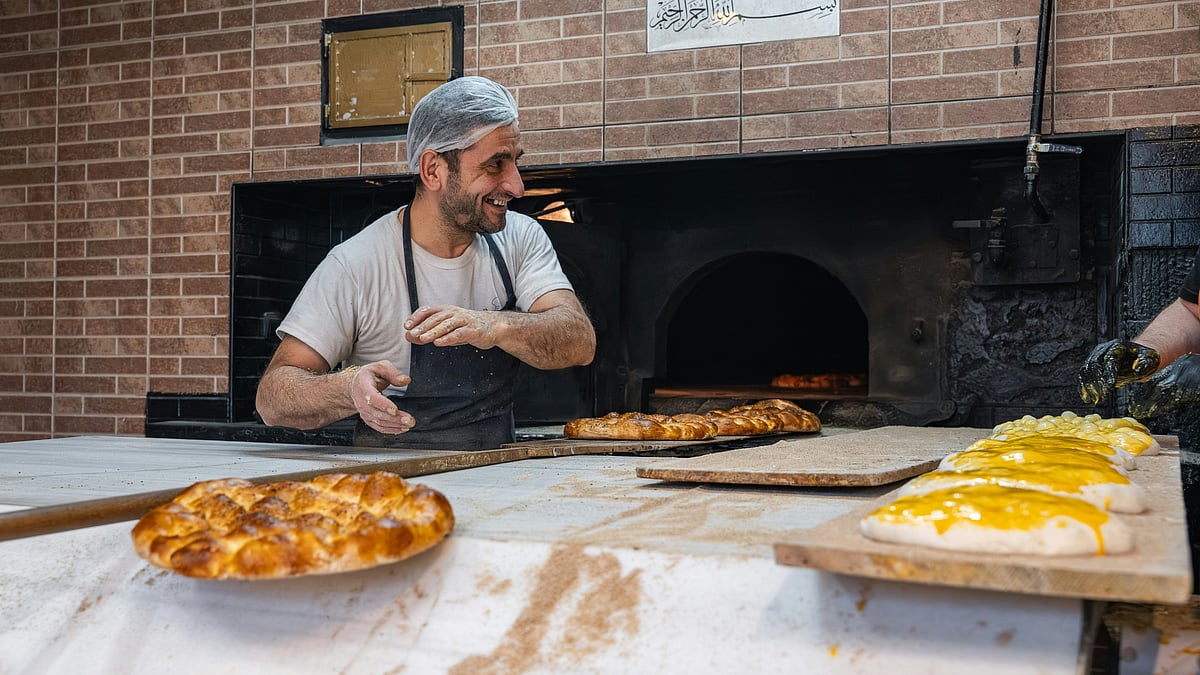
Across centuries and continents, people have placed toppings on bread. It is such a simple culinary idea that it appears almost inevitable. Long before the global rise of modern pizza, cooks everywhere were already pairing flat dough with oils, herbs, vegetables or meat.
The famous Neapolitan pizza may dominate the global imagination, yet the concept behind it is older and wider than Italy itself. In essence, pizza is simply bread used as a base for flavour. That idea appears wherever grain is milled, dough is rolled and heat is applied.
Visit rouesnews.click for more information.
Ancient civilisations practised this habit. The Greeks baked plakous, flat breads finished with olive oil, herbs and cheese. Roman cooks prepared similar breads topped with an ancient preserved fish sauce called garum, vegetables and honey. These dishes were not pizza in the modern sense, yet they demonstrate how familiar the concept was long before tomatoes reached Europe.
Italy’s many flatbreads
Even within Italy, pizza is not a single idea but a family of breads. The modern pizza associated with Naples gained recognition in the eighteenth and nineteenth centuries when tomatoes became widely used. Bakers in Naples began spreading crushed tomatoes on dough, baking it in wood fired ovens and adding cheese, anchovies or herbs.
khachapuriAnother Italian cousin is pinsa, a Roman style flatbread with ancient sounding roots but a modern revival. Its dough often blends wheat with rice and soy flours, creating a lighter texture. Baked in oval form, it is topped after cooking with cured meats, vegetables or cheese.
Further north lies focaccia, a thicker bread brushed with olive oil and dotted with herbs or olives. In Liguria it is eaten plain or with onions, while in Bari slices may be finished with tomatoes and olives. Though rarely labelled pizza, it follows the same principle of dough acting as a canvas.
France and the Mediterranean
France has its own entry in this global club: pissaladière from Nice. At first glance it resembles a pizza without cheese. The topping combines slow cooked onions, anchovies and olives on a bread base. Its name comes from pissalat, an anchovy paste once common in the region.
Across the Mediterranean, the Levant offers manakish (often called manakiche). Bakeries across Lebanon and Syria prepare these rounds of dough each morning. The most famous topping is za’atar, a blend of thyme, sesame and sumac mixed with olive oil. Cheese, minced meat and vegetables also appear.
ManakishTürkiye contributes lahmacun, a thin round topped with minced lamb, tomato and spices. It is baked quickly in a hot oven and often rolled with herbs and lemon before eating. Though sometimes nicknamed Turkish pizza, it remains firmly part of its own culinary tradition.
Beyond Europe
Flatbread dishes continue to appear as one moves east. In Georgia, khachapuri pairs bread with cheese and egg. The Adjarian version arrives shaped like a boat with molten cheese and a yolk stirred into the centre.
India offers several relatives as well. Street vendors prepare kulcha topped with herbs, onions or paneer before baking in a tandoor. Even paratha sometimes carries fillings or toppings that blur the line between stuffed bread and flatbread meal.
China’s bing category of breads includes varieties layered with scallions or sesame paste. Though folded rather than topped, they reflect the same instinct to combine dough with flavour in a single handheld dish.
OkonomiyakiJapan presents perhaps the most surprising cousin: okonomiyaki. The dish resembles a savoury pancake more than a bread, yet the idea remains similar. Batter mixed with cabbage is cooked on a griddle and finished with sauces, mayonnaise and bonito flakes. In Osaka it is layered with pork or seafood, while Hiroshima style versions stack noodles beneath the pancake.
A universal idea
The persistence of these dishes raises an interesting question: why do so many cultures invent pizza like foods?
The answer lies partly in practicality. Bread dough cooks quickly on hot surfaces, making it an ideal base for ingredients that require only brief heat. Toppings also stretch scarce resources. A small quantity of cheese, meat or herbs can flavour an entire meal when spread across bread.
PinsaTrade also played a role. As ingredients moved across regions, flatbreads adapted. Tomatoes from the Americas transformed Italian pizza. Chillies influenced toppings across Asia. Cheese making traditions shaped dishes from the Mediterranean to the Caucasus.
Another factor is social eating. Flatbreads are easy to share and simple to customise. One household might prefer herbs, another minced meat, yet the base dough remains the same. That flexibility encouraged endless variation.
Modern global pizza
Today, the Italian pizza has travelled widely and inspired local reinterpretations. In Brazil it may arrive with green peas and boiled eggs. In South Korea sweet potato mousse appears beneath cheese. In Sweden one famous topping combines curry powder, bananas and peanuts. And let’s not even speak of the much-debated pineapple slices topped Hawaiian pizza!
These playful combinations echo an older tradition rather than breaking from it. The spirit behind pizza has always been adaptive. Bakers have long used whatever ingredients their region offered.
PissaladièreSeen in that light, pizza is less a single Italian dish and more a global culinary pattern. Whenever people bake bread and add flavour on top, they are participating in a shared human habit.
Is Hot Stone Cooking The Link Between Ancient And Modern Food?From the anchovy scented streets of Nice to the griddles of Osaka, topped flatbreads tell a story of parallel invention. Different cultures arrived at the same delicious idea: bread can carry the world’s flavours.
(The writer is a food and travel columnist and editor)