Top cop faces his defining moment in court
· Citizen
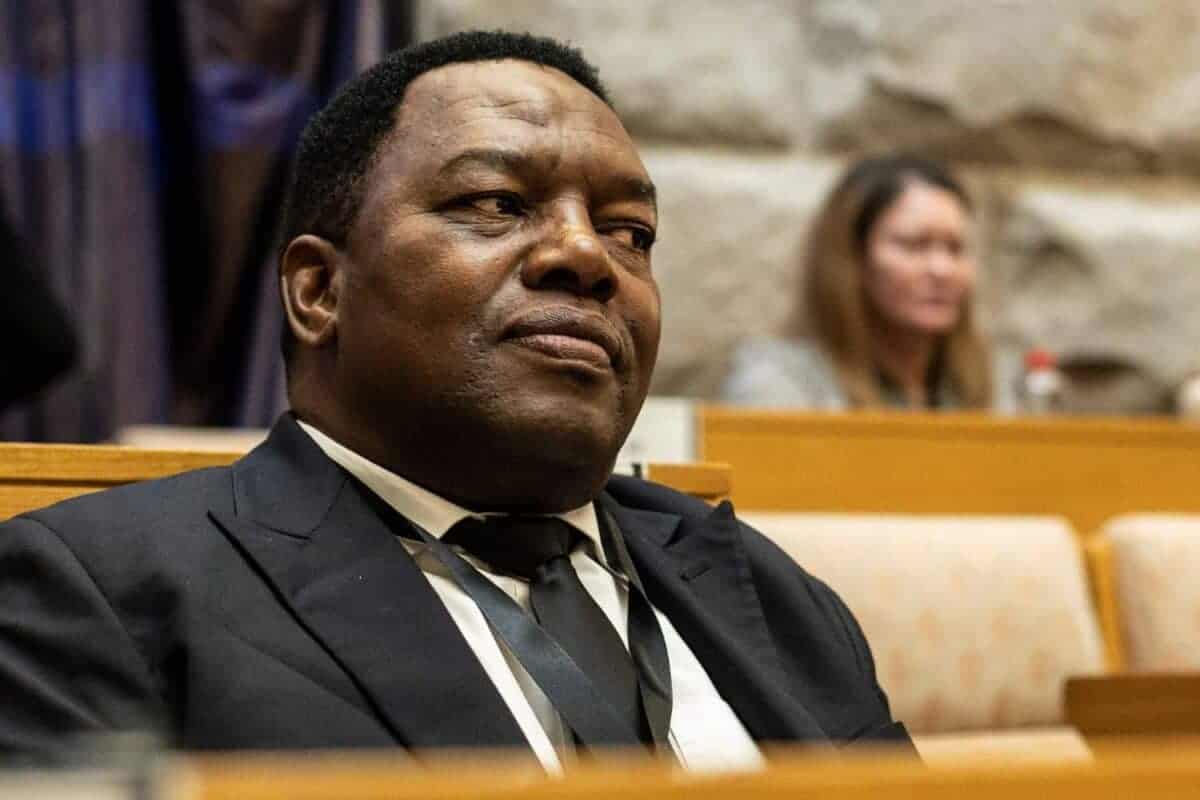
When national police commissioner General Fannie Masemola walks into the Pretoria Magistrate’s Court on 21 April to face charges under the Public Finance Management Act (PFMA), it will mark a watershed moment in the country’s governance.
Visit newsbetting.club for more information.
Rarely has the head of the SA Police Service (Saps) been hauled before a court for alleged violations of procurement law. The man entrusted with enforcing the law now stands accused of breaking it.
At the heart of the case is a R360 million health services tender awarded two years ago to controversial businessman Vusimuzi “Cat” Matlala’s company, Medicare 24 Tshwane District, which auditors flagged over irregularities.
Prosecutors say Masemola, as the accounting officer, failed to comply with Section 38 of the PFMA, which requires strict oversight of public funds and transparent procurement processes.
Importantly, these charges are not corruption-related in the conventional sense – there are no allegations of personal enrichment – but they strike at the core of accountability in public administration. If proven, they suggest negligence or wilful disregard for the rules that safeguard taxpayer money.
The implications extend far beyond Masemola himself. His trial could expose systemic weaknesses in Saps procurement, potentially dragging other contracts and senior officials into the spotlight.
The investigations may reveal a culture of irregularities that has long been whispered about but seldom confronted. For a police service already battling credibility issues, such revelations could be devastating.
Politically, the case puts President Cyril Ramaphosa in a dilemma. Calls are mounting for him to suspend Masemola pending trial, a move that would demonstrate commitment to accountability but risk destabilising Saps leadership.
Leaving Masemola in office, however, could be seen as tolerance of misconduct.
Either choice carries political costs.
ALSO READ: Major General Vuyisile Ncata appointed as new Eastern Cape top cop
Ramaphosa’s leadership style – often criticised as cautious and consensus-driven – will be tested in the coming weeks. The decision he makes will signal how seriously his administration takes the principle of clean governance.
Within Saps, the charges could trigger a succession battle. KwaZulu-Natal police commissioner Lieutenant-General Nhlanhla Mkhwanazi is seen as a possible successor should Masemola be removed. But Mkhwanazi’s elevation would not be without controversy.
Leadership changes at the top of Saps often ripple through the ranks, reshaping alliances and priorities. At a time when violent crime remains a pressing national concern, instability in the police’s command structure could weaken operational effectiveness.
The broader public will watch this case with a mix of cynicism and hope. Cynicism, because South Africans have seen too many high-profile cases fizzle out without accountability.
Hope, because a conviction – or even a robust trial process – could signal no official is above the law. In a country where corruption scandals have eroded trust in institutions, the sight of the national commissioner answering to charges could restore some faith in the justice system.
Ultimately, the PFMA charges against Masemola are about more than one man’s alleged failings. They are about whether South Africa can enforce the rules of public finance at the highest levels of power.
They are about whether the police service, tasked with protecting citizens, can itself be held accountable. And they are about whether the Presidency has the political will to confront uncomfortable truths within the security cluster.
Like at the Madlanga commission and the parliamentary ad hoc committee on police corruption, this case may unleash revelations that unsettle Saps, embarrass the government and shake public confidence.
But it may also release something more valuable: a renewed commitment to accountability.
This should be an opportunity to prove the system can work and that even those at the top are bound by the same laws as everyone else.
NOW READ: ‘No, I didn’t do anything wrong,’ Masemola clarifies summons