Oil Prices Crash Over Trump’s ‘Leaving Soon’ Remark
· Free Press Journal
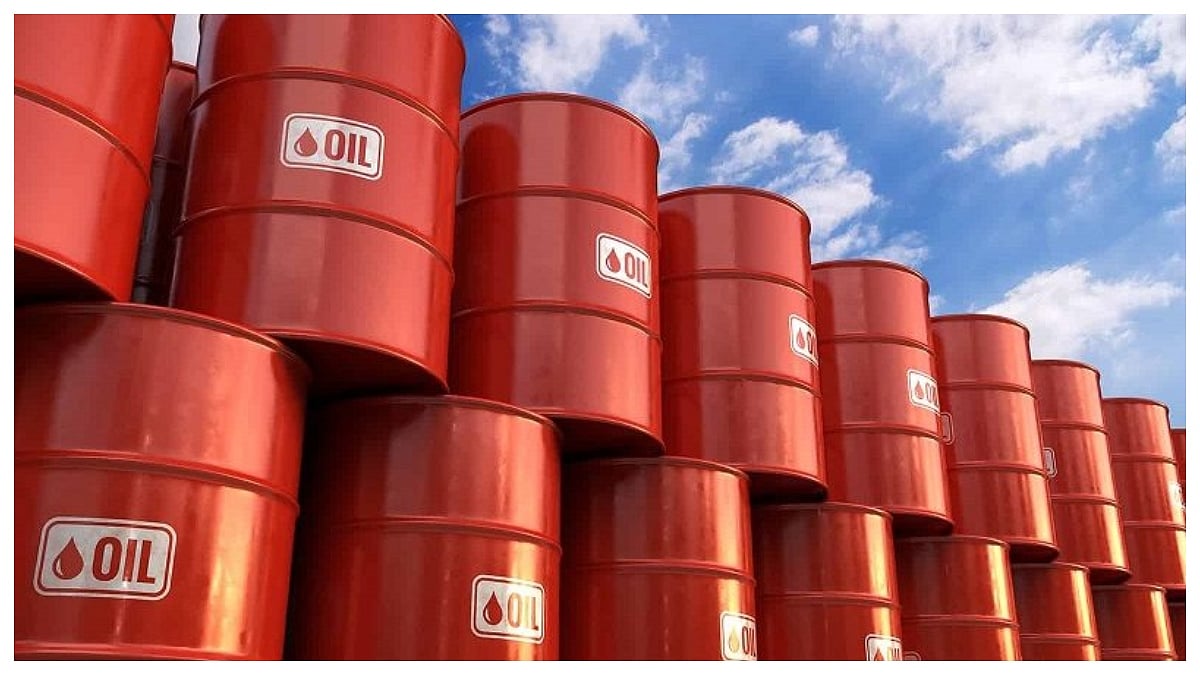
Oil prices eased on Wednesday as hopes of de-escalation further strengthened, with US President Donald Trump reportedly considering ending the war in three weeks, with or without a deal with Iran.
While the global benchmark Brent Crude was down by 4 percent during Asian trade hours, WTI Crude declined over 3 percent.
Visit afnews.co.za for more information.
Brent Crude was hovering around $99 per barrel, which is almost $15, or 10 percent, lower than the $114 mark yesterday before the crash in prices.
However, WTI Crude remained at the $97 mark compared to the $113 level yesterday.
Global Markets Break Losing Streak as Trump Signals War Could End in 3 WeeksThe significant easing in prices came after Donald Trump indicated that the US may leave the war within three weeks, with or without a deal with Iran.
This was the second consecutive day that Trump spoke of winding down. A day earlier, he had expressed willingness to wind down the offensive against Iran soon, even if the Strait of Hormuz does not reopen. The Strait is crucial for global energy markets as it facilitates about 20 percent of the world’s fuel trade.
His administration’s assessment shows that efforts to forcibly reopen the Strait could prolong the war beyond the preferred timeline of four to six weeks.
‘Leaving Very Soon’: US President Donald Trump Hints At Ending War With Iran In ‘2–3 Weeks’ - VIDEOWith the war bill already soaring past estimates and energy prices at record highs, the US is under pressure to ease the situation.
However, before ending the war, the US would ensure it significantly weakens Iran’s naval and military capabilities.
President Trump had earlier extended the deadline for Iran to reopen the Strait to April 6, stating that both sides were having positive discussions to end the war.
However, Israel and Iran have continued to attack each other’s assets in the region.
Even if the war ends, experts say it would take time for trade to return to pre-war levels, as both sides have attacked each other’s energy infrastructure so far.