Should government subsidise taxi industry
· Citizen
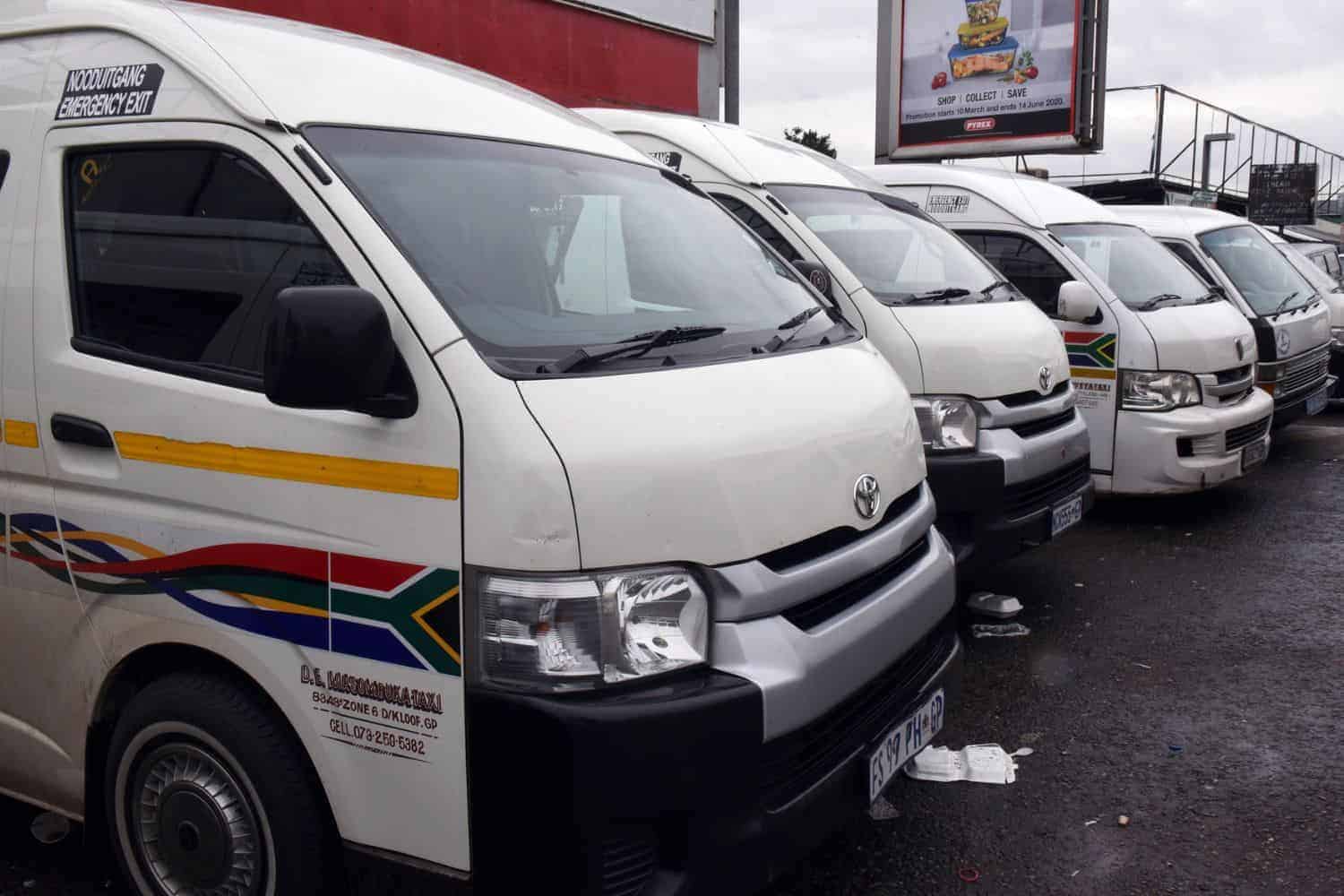
On the face of it, President Cyril Ramaphosa’s suggestion that providing some sort of government subsidies to our taxi industry might reduce financial pressure on operators to the extent that the bloody violence and deadly competition also goes down, along with improved driver behaviour.
Visit sports24.club for more information.
The latter is something especially top of mind for many families with school-age children, whose scholar transport is probably a taxi driven by someone so used to hustling for money that laws and rules of the road have long since gone out of the window.
It is also true that the government cannot remain aloof to the state of the taxi industry because it is what passes for mass transit in a country that has failed to build any form of commuter networks on rail or roads.
The prestigious and costly Gautrain serves only a miniscule proportion of Gauteng commuters and the much-vaunted Rea Vaya bus service has consumed buckets of taxpayer cash and made little difference to commuters.
In fairness, the problem of mass transit and its absence does, truly, go back to the apartheid era, when spatial planning put workers in townships long distances away from their places of work.
ALSO READ: Will taxis get less dangerous and violent if we give them more money?
Opportunities to expand commuter rail networks were not pursued, either pre- or post-apartheid… and the looting and neglect post-1994 has set rail back decades as a transport option.
Yet, there is also a cogent argument that the taxi industry is lawless and unregulated and returns little to nothing to the country in the form of taxes paid.
Why, then, would you want to funnel scarce state resources (read that as long-suffering taxpayers’ funds) to such an industry?
Social stability would seem to be the answer.
It’s too late to bring the industry to heel through law, so perhaps the only alternative is to bribe it to behave?