Zomato Founder Deepinder Goyal’s Body Fat Criteria For Jobs Triggers Discrimination Row
· Free Press Journal
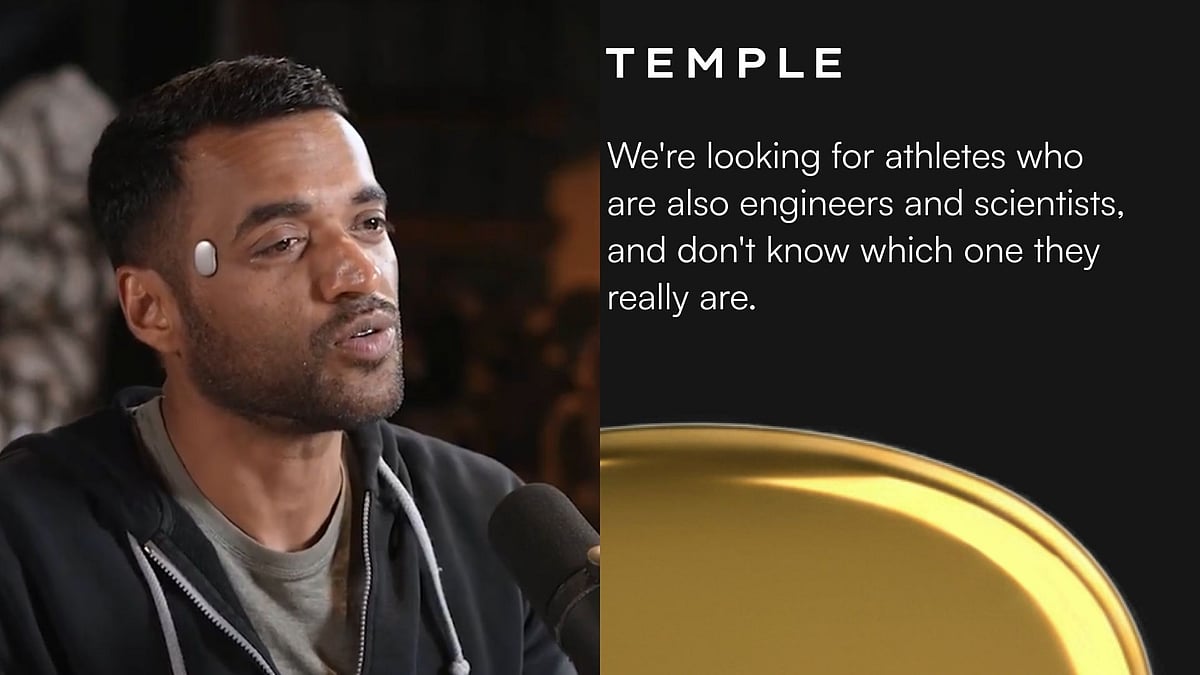
A social media debate broke out after a post by Zomato founder Deepinder Goyal announcing hiring at his new venture, Temple, drew sharp reactions over its fitness-linked eligibility criteria.
In his post, Goyal said Temple is building an advanced wearable device for elite performance athletes, claiming it would measure parameters “no other wearable in the world measures” with unprecedented precision. He invited applications from engineers and researchers across disciplines — including embedded systems, deep learning, computational neuroscience, brain-computer interface (BCI), computer vision, and sensor algorithms — as well as product managers.
Visit solvita.blog for more information.
Another dog whistle from Goyal.
— Anand Sankar (@saybwala) February 27, 2026
In many legal jurisdictions such hiring practices)by excluding people based on body fat) would be considered discriminatory and the company would be liable for millions in compensation.
Remember the outrage when an airline in India tried to… https://t.co/bHPXxZq9YB
However, the controversy centred on a specific condition: applicants must take fitness seriously and have body fat below 16% (men) and 26% (women). Those not meeting the criteria could apply but would remain on probation until achieving the target within three months.
One user criticised the move, calling it a “dog whistle” and arguing that such hiring practices could be considered discriminatory in several legal jurisdictions. The user compared it to past backlash faced by an Indian airline over alleged appearance-based employment standards.
Others defended Goyal’s stance. A supporter wrote that while controversial, prioritising fitness could help promote health awareness and align with a company culture focused on performance. The commenter suggested that if fitness became a differentiator in hiring, it might encourage healthier lifestyles.
Deepinder Goyal’s Temple Raises $54 Million, Backed By Top Founders & Investors At $190 Million ValuationTemple, according to Goyal, aims to create a tribe of athlete-engineers who “wear what they build” and refine it until perfect. Applicants have been asked to write to the company with their core skill mentioned in the subject line.
The post has sparked a wider conversation about workplace culture, inclusivity, and whether fitness benchmarks can form part of recruitment standards in performance-driven industries.