Trump Raises Global Tariffs To 15% For 150 Days After Supreme Court Blocks Earlier Plan, Refunds Of $175 Billion Now In Focus
· Free Press Journal
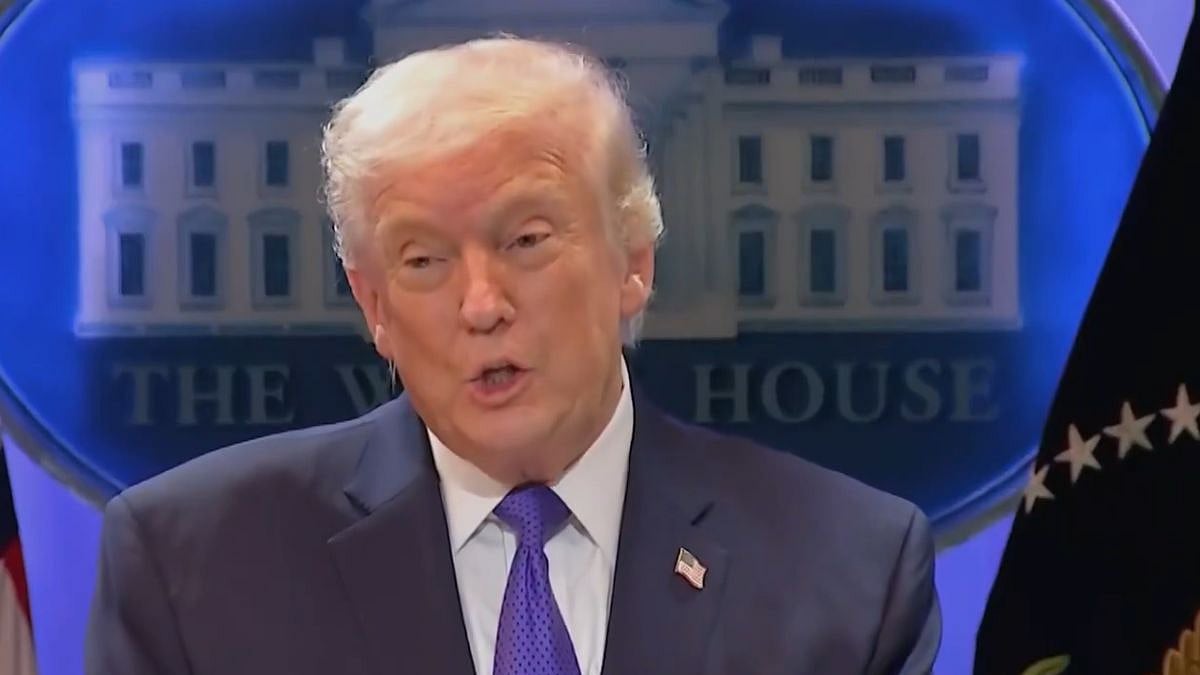
Brisbane: US President Donald Trump has announced a new 15 per cent baseline tariff on imports from all countries for the next 150 days. The move comes after the Supreme Court of the United States ruled that he did not have the authority to impose earlier “reciprocal tariffs” under emergency powers.
After the ruling, Trump criticised the judges and said he would explore other legal options. The earlier broad tariffs were struck down, forcing the administration to quickly adopt a different law to keep duties in place.
Visit fish-roadgame.com for more information.
US President Donald Trump Raises Global Tariffs To 15% After 'Anti-American' Supreme Court RulingWhat Law Is Being Used Now?
The new 15 per cent rate replaces the earlier 10 per cent baseline tariff that was briefly introduced after the court decision. The current action allows tariffs for up to 150 days.
During this period, the administration may explore Section 301 of the Trade Act of 1974. This law allows tariffs against countries that harm US trade interests, but it requires formal investigations and consultations. The process can take months or even years.
Another option is Section 232 of the Trade Expansion Act of 1962, which was earlier used to impose tariffs on steel and aluminium. However, this law applies only to specific sectors linked to national security and cannot be used for broad tariffs on all imports.
'We Are Studying These Developments': India's First Reaction After US Supreme Court Strikes Down Trump TariffsRefunds Could Reach $175 Billion
The court ruling means tariffs collected under the emergency law were unlawful. If fully refunded, repayments could total around $175 billion.
Several companies had already filed cases to claim refunds. However, the refund process may take years as courts examine each claim.
Impact on Australia
Australia now faces a 15 per cent tariff, up from 10 per cent earlier. While exporters do not directly pay the tariff, higher costs can make their goods less competitive in the US market.
Some products like beef, critical minerals, energy and pharmaceuticals have been exempted.
Although Trump said the decision brings certainty, experts believe global trade uncertainty is far from over.